
Brain Rot! Learning System
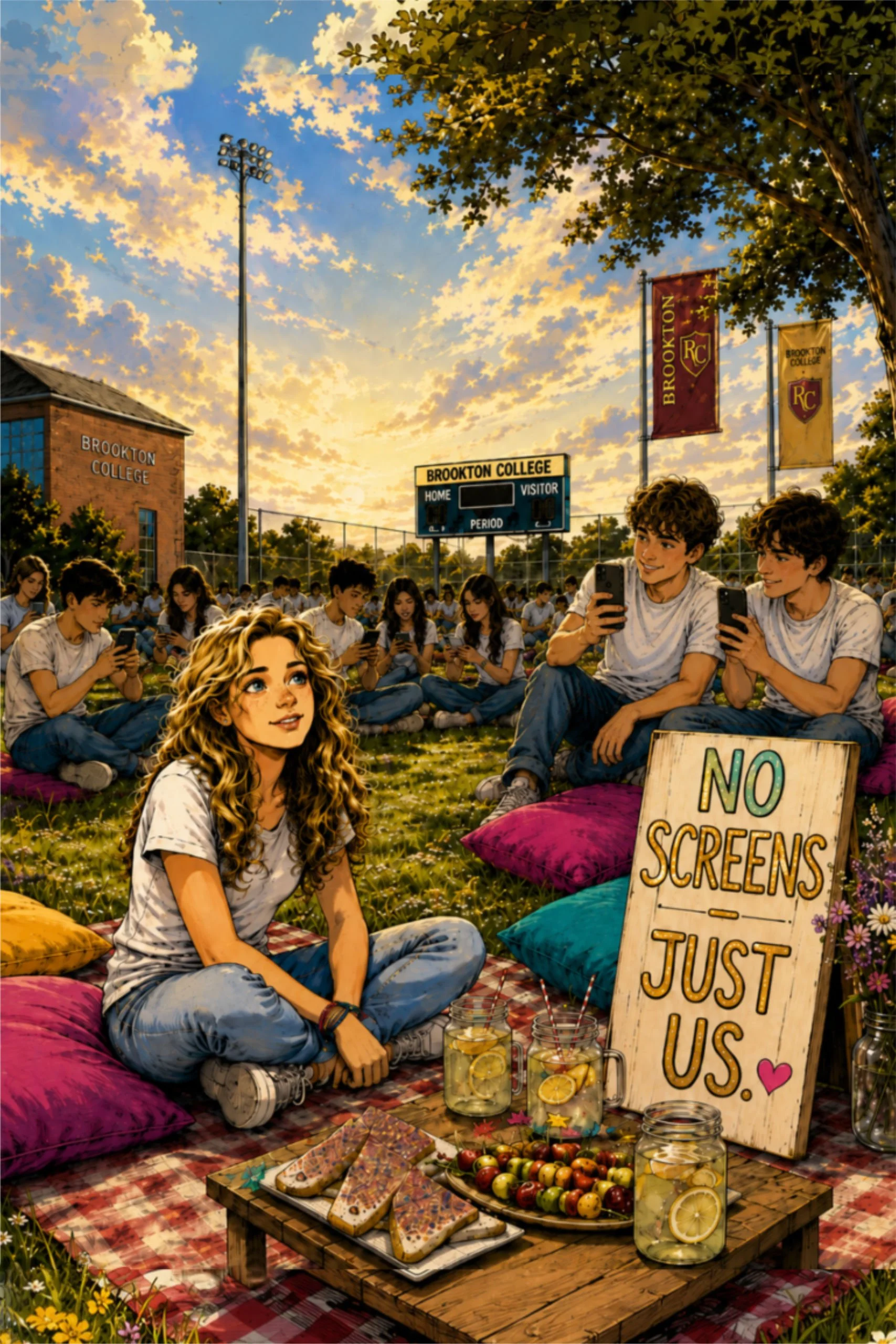
The Brain Rot! Learning System is a complete, story-based digital literacy program built around the novel Brain Rot! – Cut the Noise, Find the Signal. Rather than teaching technology concepts through lectures or worksheets alone, students learn through an engaging adventure story and then investigate those same concepts through structured activities.
Story first. Reflection second. Action third.
Young people are far more likely to understand persuasive technology when they encounter it through characters they care about, investigate it themselves, and apply the learning to their own digital lives. Brain Rot! therefore teaches digital judgement, self-awareness, and agency not by preaching about technology, but by helping students learn to cut through the noise and find the signal for themselves.
The learning system consists of:
The Brain Rot! enovel (the narrative anchor)
The Activity eGuide (43 chapter-by-chapter learning experiences)
Chapter theme and chapter summary tables with associated printing resources keys
Downloadable and print-formatted Learning Resources including role-play cards, debate prompts, mood trackers, reflection journals, detective logs, scenario cards, simulations, worksheets, and creative design challenges
Low-tech and tech-integrated activities
Assessment Rubrics for each activity
All chapter illustrations for printing, screen display, or projection
Adaptation for early readers, ESL learners, students with sensory sensitivities, and one-to-one or small group learning environments
Extension and capstone projects
How is the learning system different?
Most digital citizenship resources tell students what to think.
Brain Rot! invites students to experience, investigate, discuss, and discover.
Students become digital detectives who:
Track persuasive design techniques
Analyse recommendation algorithms
Identify emotional manipulation
Examine feedback loops
Distinguish between "signal" and "noise"
Reflect on their own digital habits
Design healthier digital alternatives
The story provides the emotional engagement; the activities provide the critical thinking.
Why does it suit the attention-limited generation?
The learning experiences are deliberately varied and active. Instead of relying on long lectures, students move between:
Short reflection tasks
Visual thinking routines
Role-play scenarios
Debate activities
Detective-style investigations
Creative design challenges
Real-world digital observations
Collaborative problem solving
This creates frequent changes in activity type while keeping a single narrative thread running throughout the learning journey.
Built-in adaptability
A core design principle is flexibility.
Lessons can be selected by theme.
Activities can be delivered:
Individually or collaboratively
With technology or without technology
As stand-alone lessons or a complete unit
In short sessions or extended projects
Students can engage through discussion, writing, drawing, role-play, analysis, coding, reflection, or design thinking depending on their learning preferences and needs.