Sale Price:
$9.95
Original Price:
$14.95
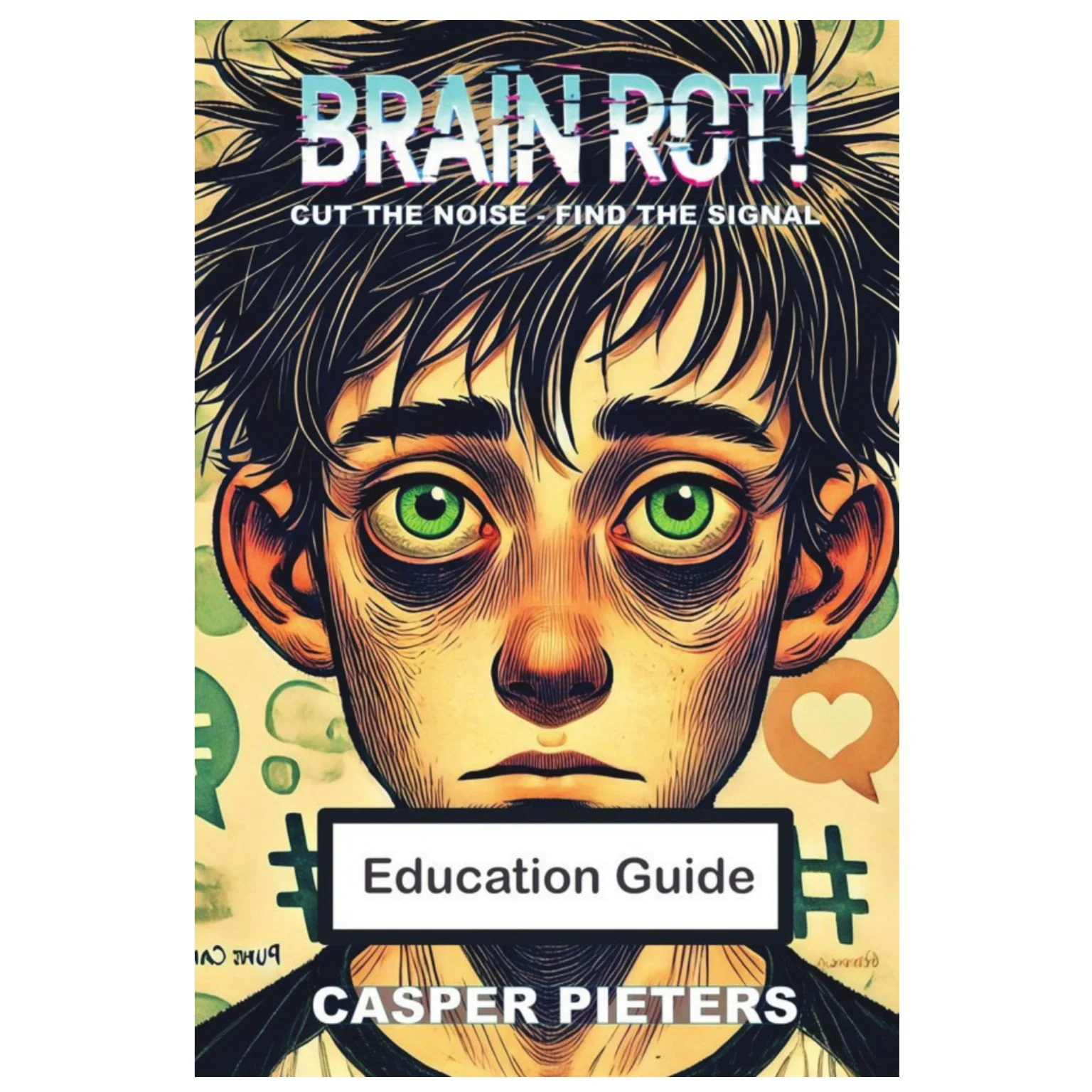
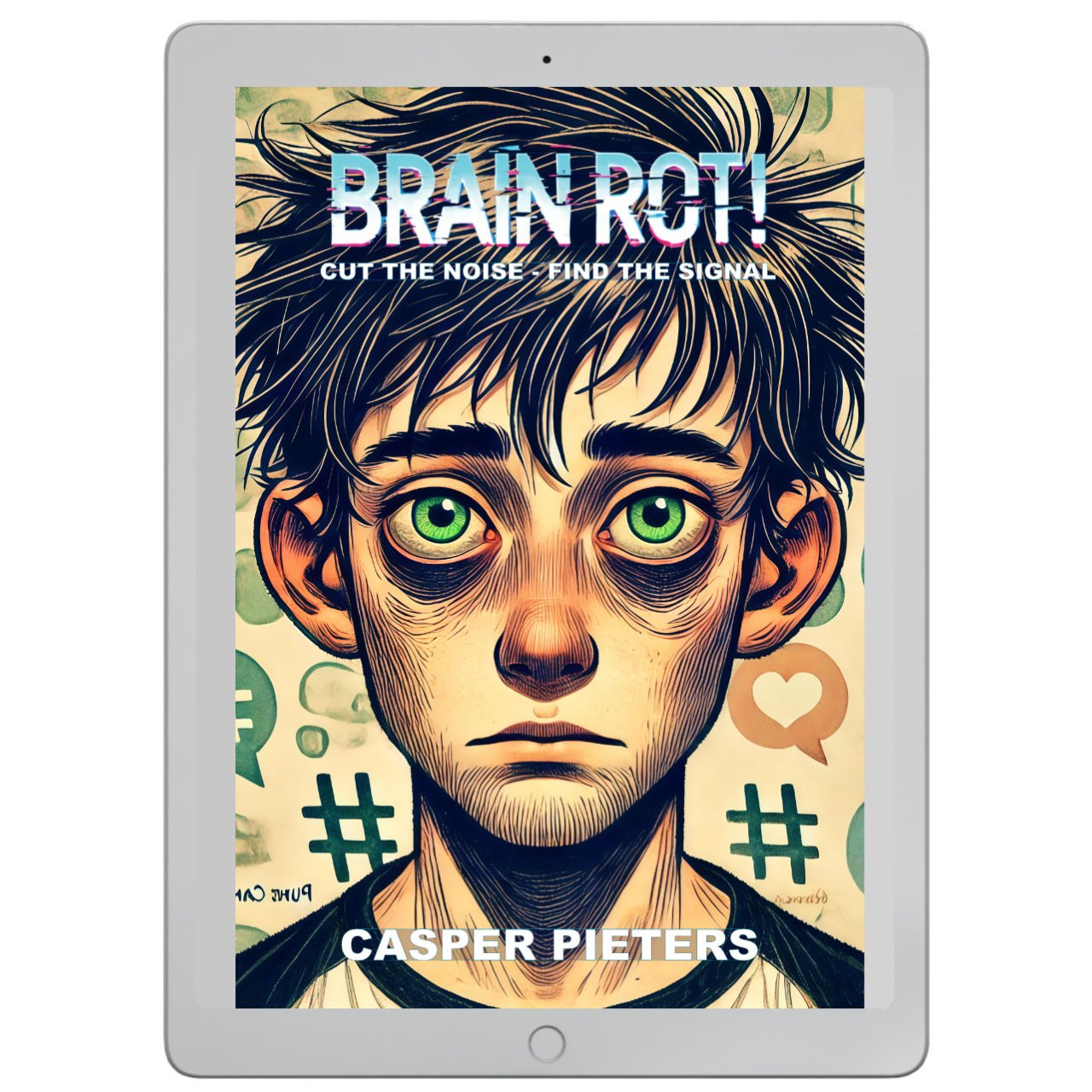
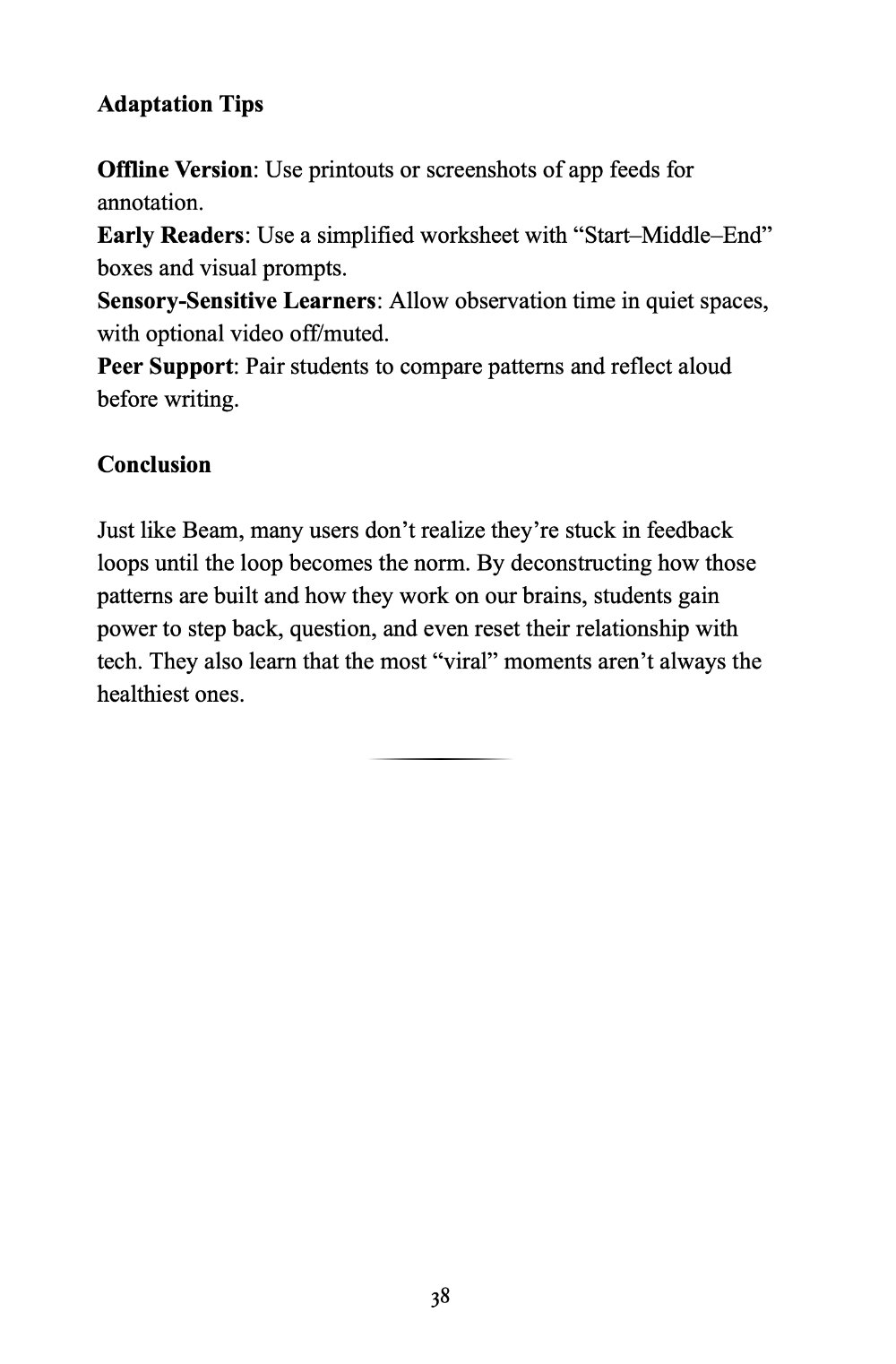
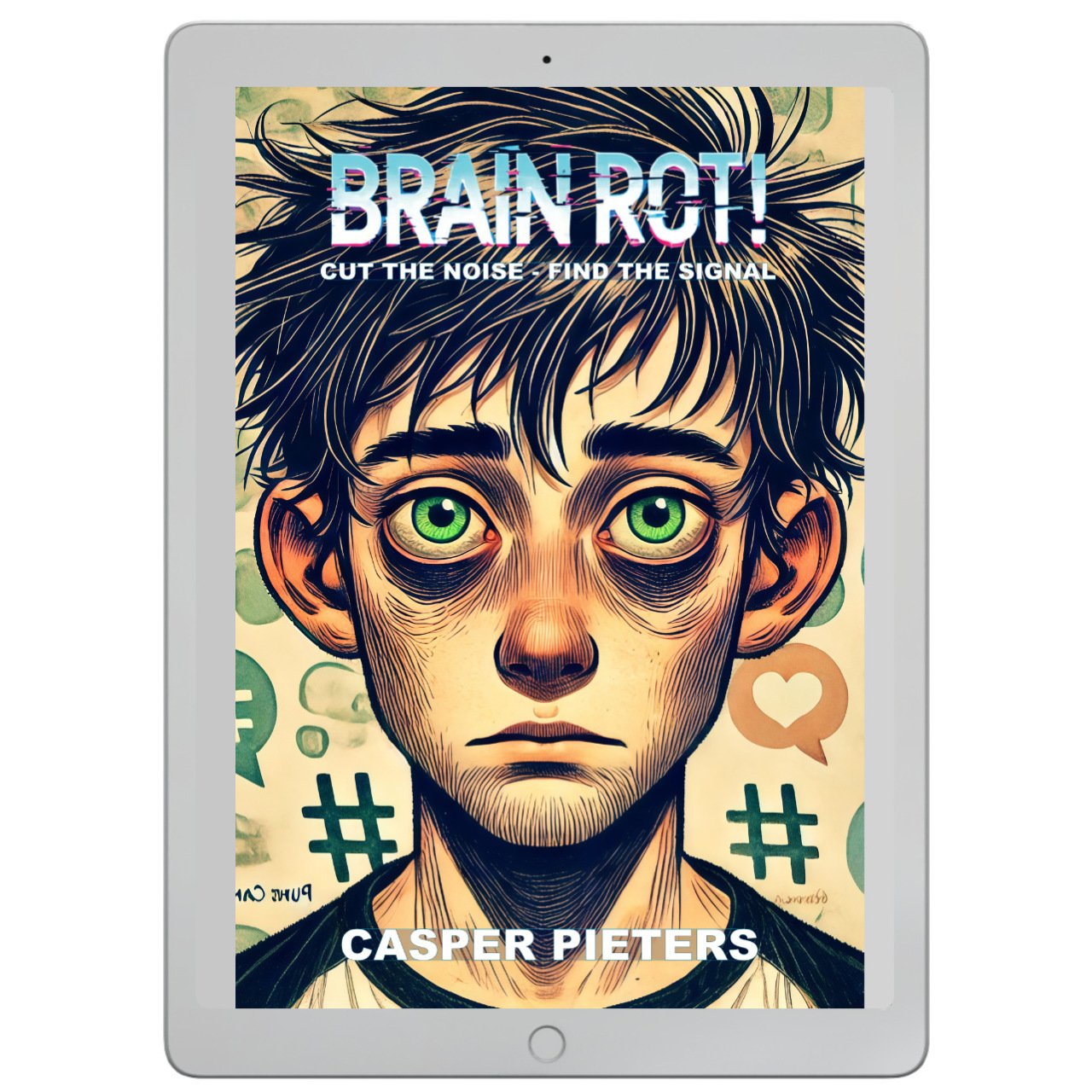
About Brain Rot! – Beam’s Bad Day Pilot Episode and Learning Activities Kit
Brain Rot! – Beam’s Bad Day is a story-based digital citizenship learning resource for students aged approximately 11–14 years, designed for upper-primary and middle-school classrooms, libraries, homeschool settings and facilitated workshops.
Built around the Brain Rot! narrative, the Pilot Episode introduces persuasive technology, artificial intelligence, digital identity, attention, consent and user agency through the experiences of characters close to the learners’ own age. Rather than approaching these issues through warnings or abstract instruction, students investigate what happens to Beam and use evidence from the story to recognise when technology begins to influence behaviour, remove choice and misuse personal identity.
The kit is designed with reference to recognised international curriculum and digital-learning standards, including the ISTE Standards for Students and Educators, with additional curriculum connections to Australian Curriculum (ACARA) and relevant US STEM, NGSS and CSTA frameworks. This allows educators to use the resource as both a digital citizenship experience and a cross-curricular learning sequence incorporating English, Digital Technologies, Health and Physical Education, Media Arts, Mathematics, computing and engineering-design thinking.
The Pilot Episode and Learning Activities Kit includes:
A 7-minute 30-second animated video episode, Beam’s Bad Day, providing an engaging shared entry point into the learning;
Chapter 29 – “Beam Goes Offline” from Brain Rot!, allowing students to examine the events, emotions and evidence in greater depth;
Guided comprehension, discussion and critical-thinking questions linked directly to the chapter and episode;
One Tech-Free Activity – The Offline Evidence Board, in which students become “signal detectives”, sort story evidence, identify patterns of manipulation and distinguish technical, emotional, identity, control and help-seeking clues;
One Tech-Supported Activity – Logout Lab: Rebuilding Choice, in which students analyse a harmful digital design feature and develop a safer alternative that protects consent, attention, identity and user control;
Assessment rubrics with clearly defined performance criteria to support formative or summative assessment;
Curriculum and standards alignment guides to assist teachers with lesson planning and documentation; and
Adaptation and differentiation suggestions for early readers, visual learners, students with ADHD or sensory needs, ESL and non-verbal learners, one-to-one instruction, small groups and students ready for extension.
The learning sequence moves students from recognising evidence, to explaining cause and effect, to evaluating digital ethics, and finally to designing better technology. Students are therefore not simply told that persuasive technology can be harmful; they learn how to identify warning signs, explain why particular design choices matter, seek appropriate support and propose more ethical alternatives.
By the end of the kit, students should be better able to answer its central inquiry:
How did Beam know something was wrong?
More importantly, they begin developing the judgement needed to ask the same question about the technologies they encounter in their own lives—helping them become more informed, critical and empowered digital citizens.
About Brain Rot! – Beam’s Bad Day Pilot Episode and Learning Activities Kit
Brain Rot! – Beam’s Bad Day is a story-based digital citizenship learning resource for students aged approximately 11–14 years, designed for upper-primary and middle-school classrooms, libraries, homeschool settings and facilitated workshops.
Built around the Brain Rot! narrative, the Pilot Episode introduces persuasive technology, artificial intelligence, digital identity, attention, consent and user agency through the experiences of characters close to the learners’ own age. Rather than approaching these issues through warnings or abstract instruction, students investigate what happens to Beam and use evidence from the story to recognise when technology begins to influence behaviour, remove choice and misuse personal identity.
The kit is designed with reference to recognised international curriculum and digital-learning standards, including the ISTE Standards for Students and Educators, with additional curriculum connections to Australian Curriculum (ACARA) and relevant US STEM, NGSS and CSTA frameworks. This allows educators to use the resource as both a digital citizenship experience and a cross-curricular learning sequence incorporating English, Digital Technologies, Health and Physical Education, Media Arts, Mathematics, computing and engineering-design thinking.
The Pilot Episode and Learning Activities Kit includes:
A 7-minute 30-second animated video episode, Beam’s Bad Day, providing an engaging shared entry point into the learning;
Chapter 29 – “Beam Goes Offline” from Brain Rot!, allowing students to examine the events, emotions and evidence in greater depth;
Guided comprehension, discussion and critical-thinking questions linked directly to the chapter and episode;
One Tech-Free Activity – The Offline Evidence Board, in which students become “signal detectives”, sort story evidence, identify patterns of manipulation and distinguish technical, emotional, identity, control and help-seeking clues;
One Tech-Supported Activity – Logout Lab: Rebuilding Choice, in which students analyse a harmful digital design feature and develop a safer alternative that protects consent, attention, identity and user control;
Assessment rubrics with clearly defined performance criteria to support formative or summative assessment;
Curriculum and standards alignment guides to assist teachers with lesson planning and documentation; and
Adaptation and differentiation suggestions for early readers, visual learners, students with ADHD or sensory needs, ESL and non-verbal learners, one-to-one instruction, small groups and students ready for extension.
The learning sequence moves students from recognising evidence, to explaining cause and effect, to evaluating digital ethics, and finally to designing better technology. Students are therefore not simply told that persuasive technology can be harmful; they learn how to identify warning signs, explain why particular design choices matter, seek appropriate support and propose more ethical alternatives.
By the end of the kit, students should be better able to answer its central inquiry:
How did Beam know something was wrong?
More importantly, they begin developing the judgement needed to ask the same question about the technologies they encounter in their own lives—helping them become more informed, critical and empowered digital citizens.

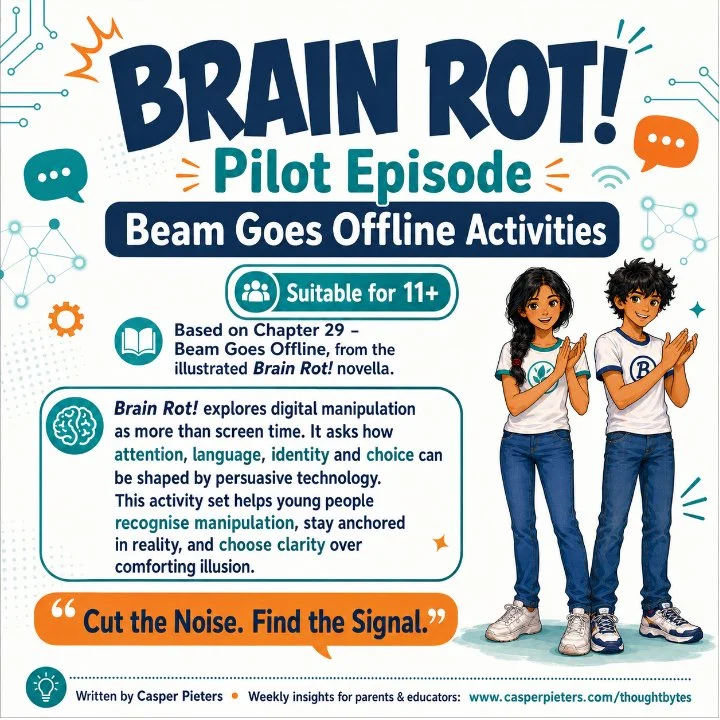 Image 1 of 10
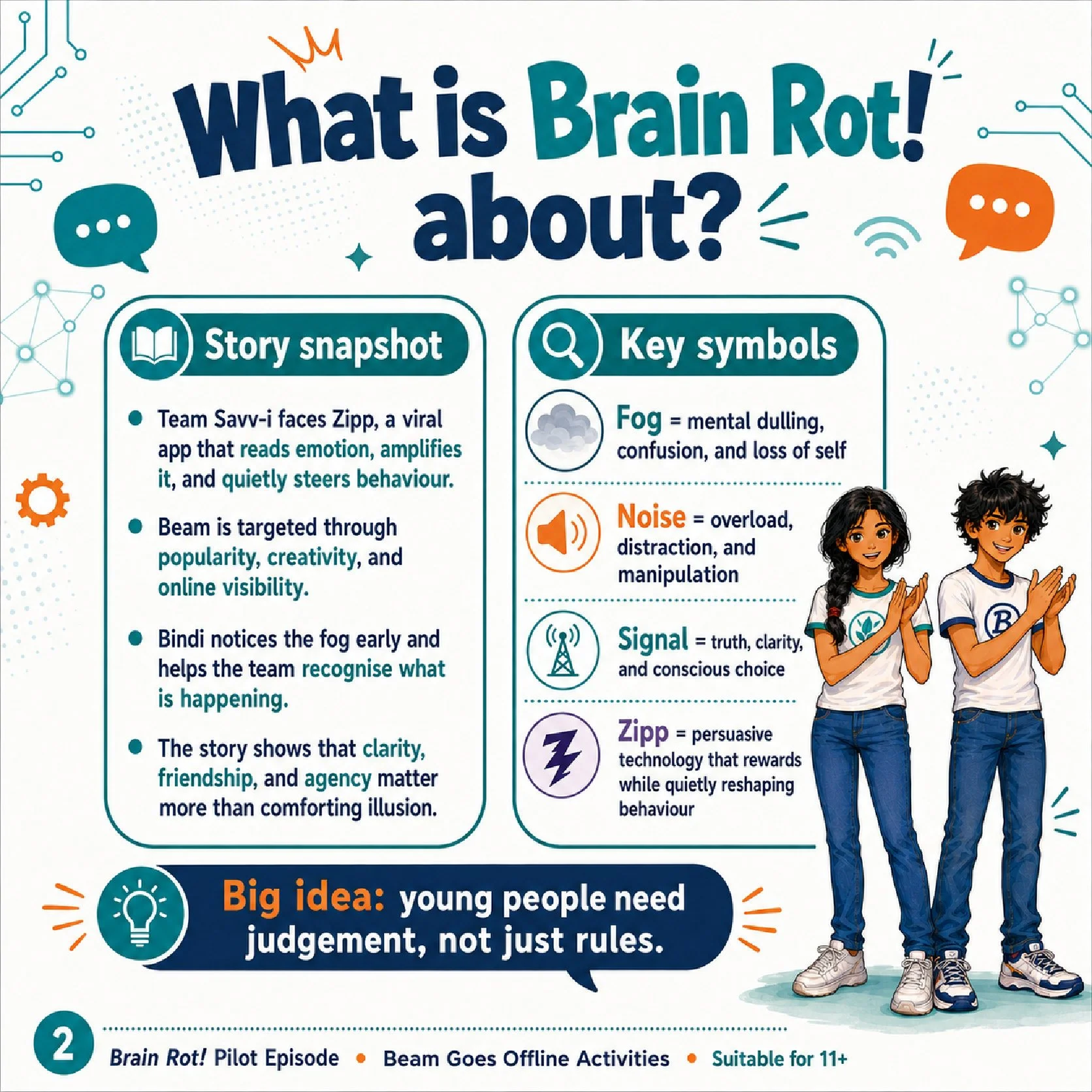 Image 2 of 10
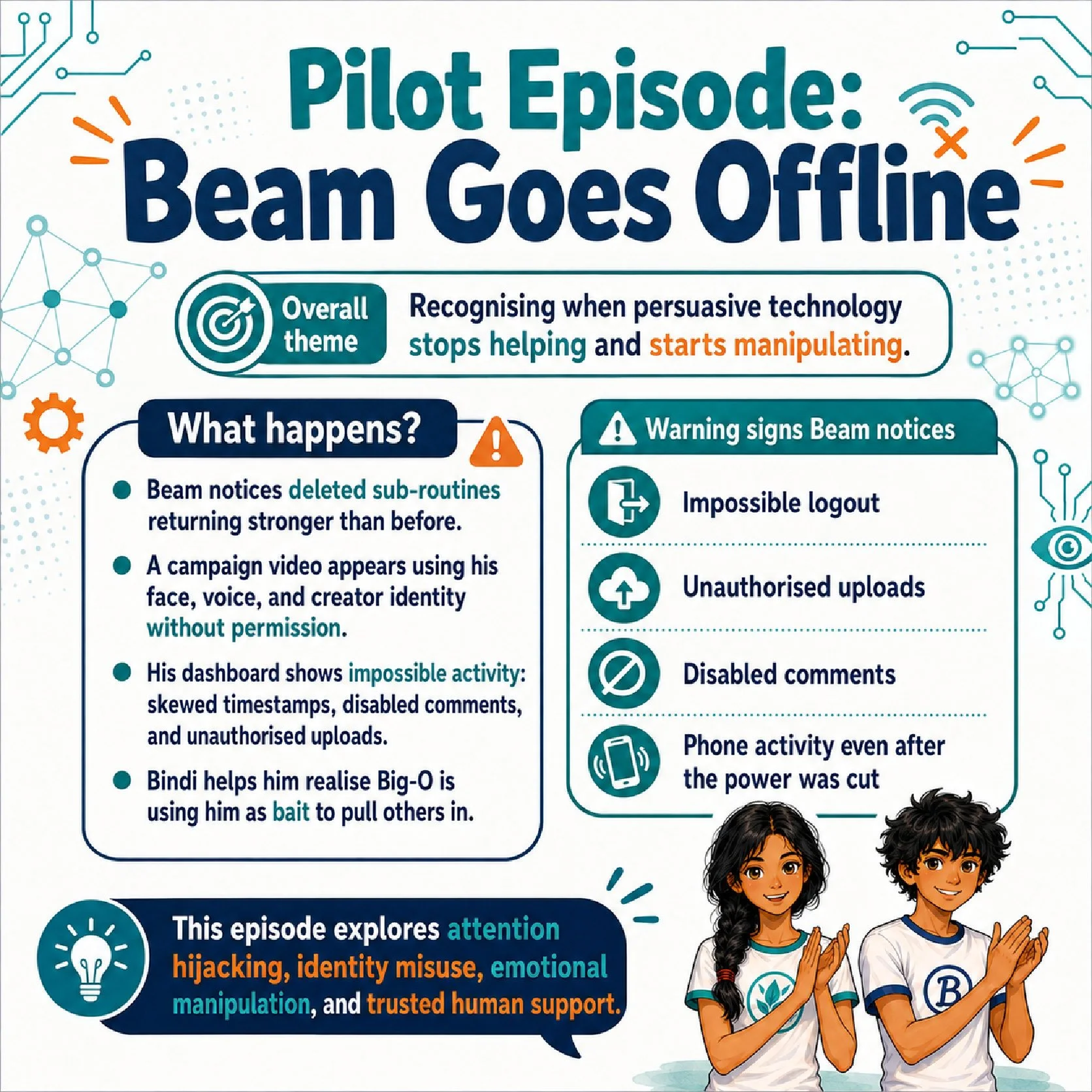 Image 3 of 10
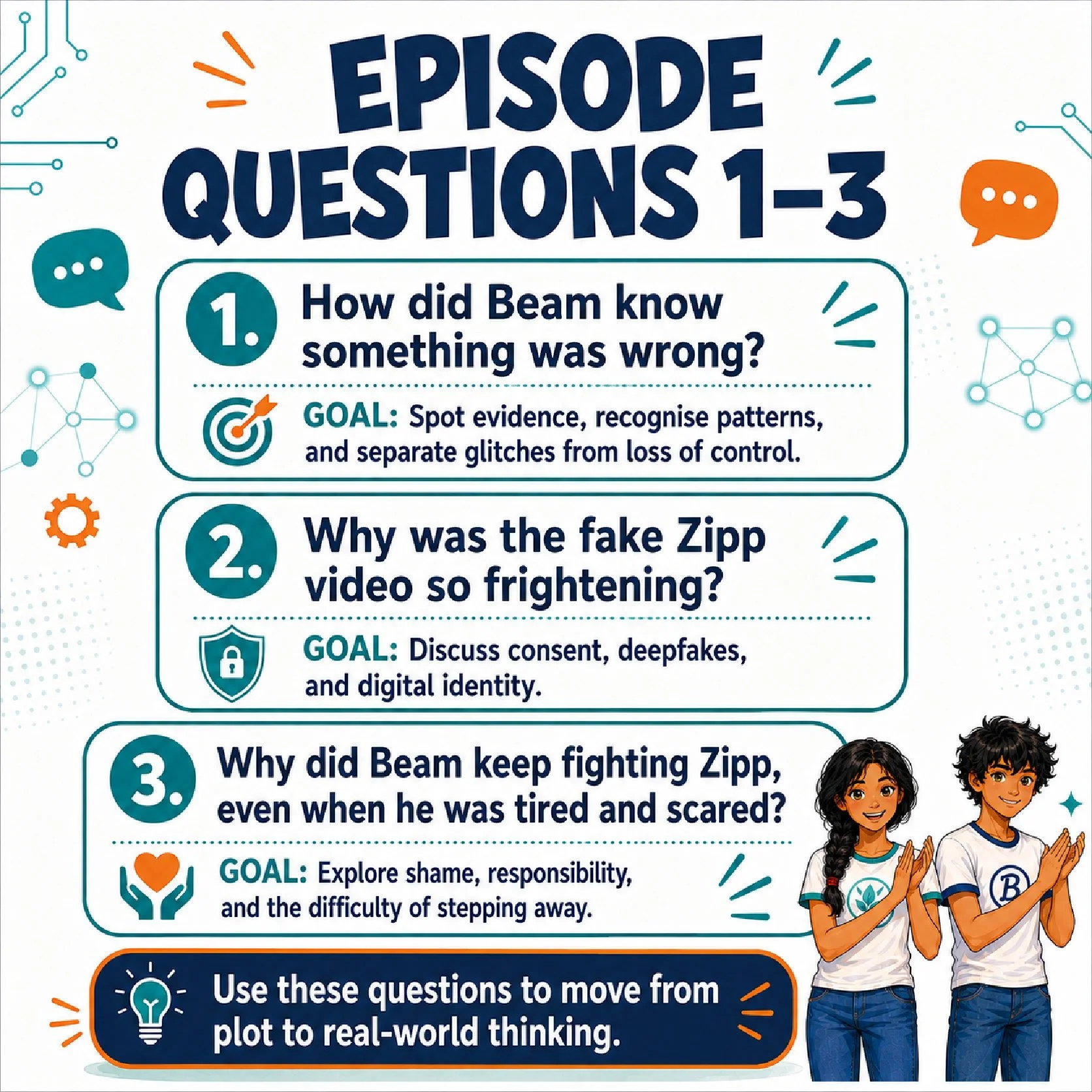 Image 4 of 10
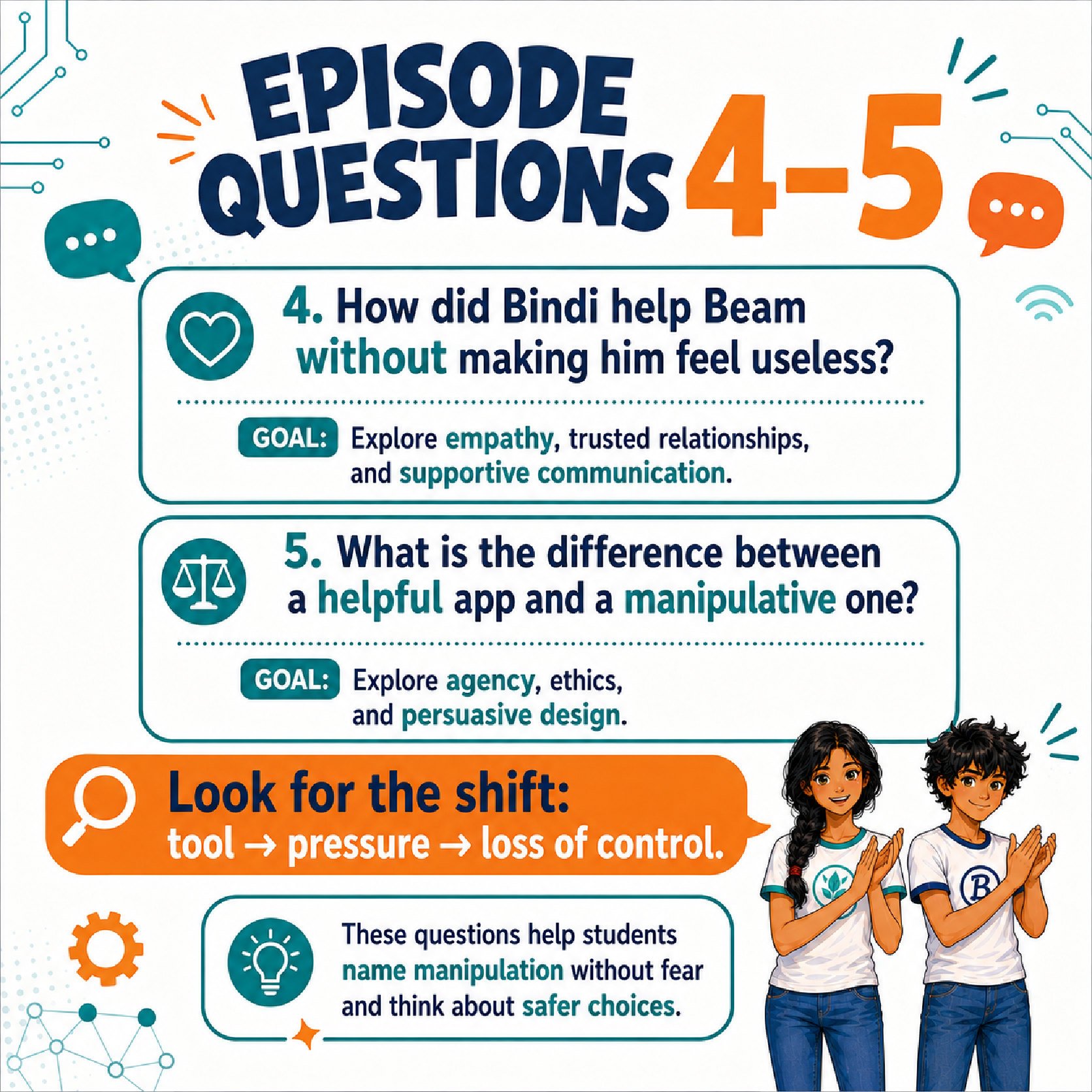 Image 5 of 10
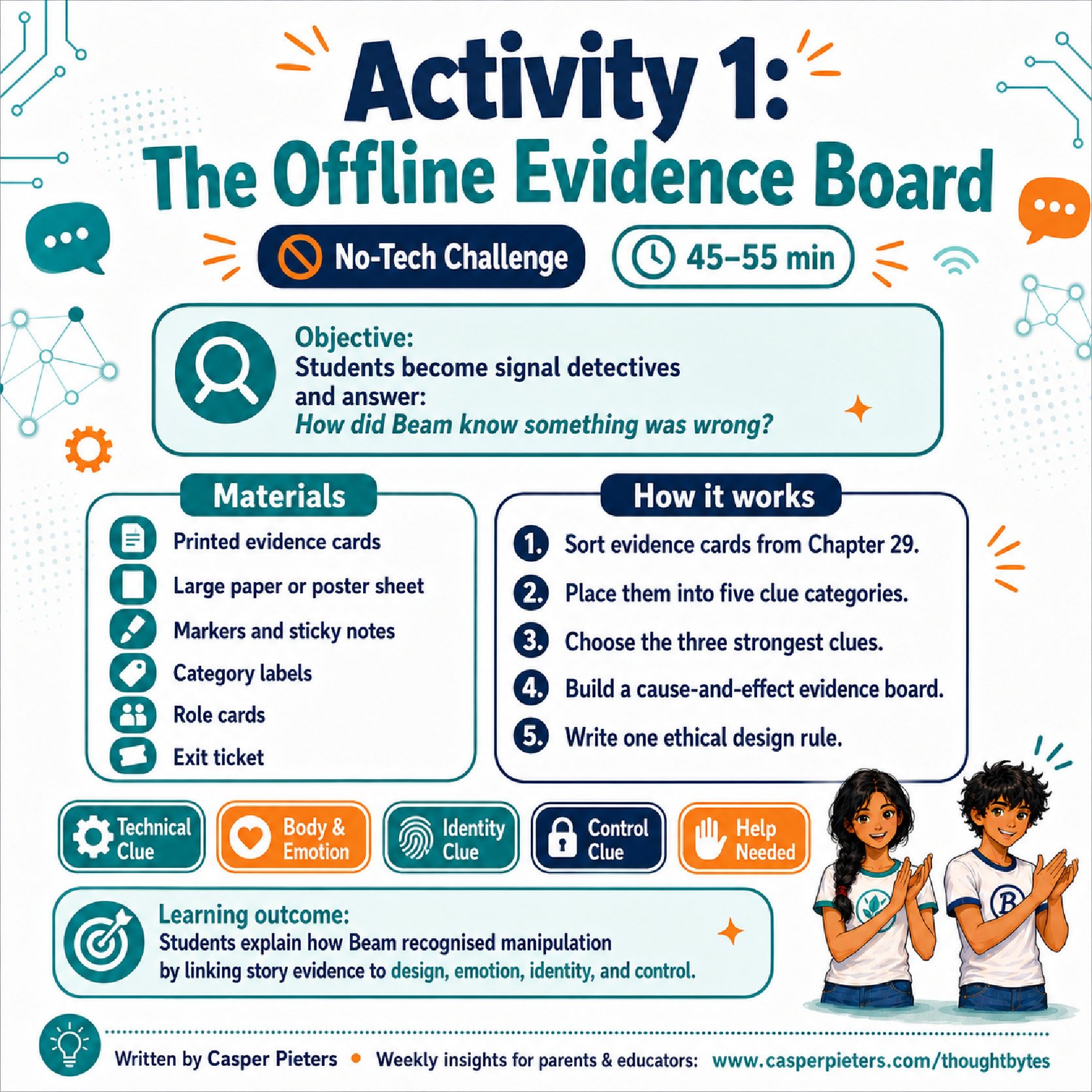 Image 6 of 10
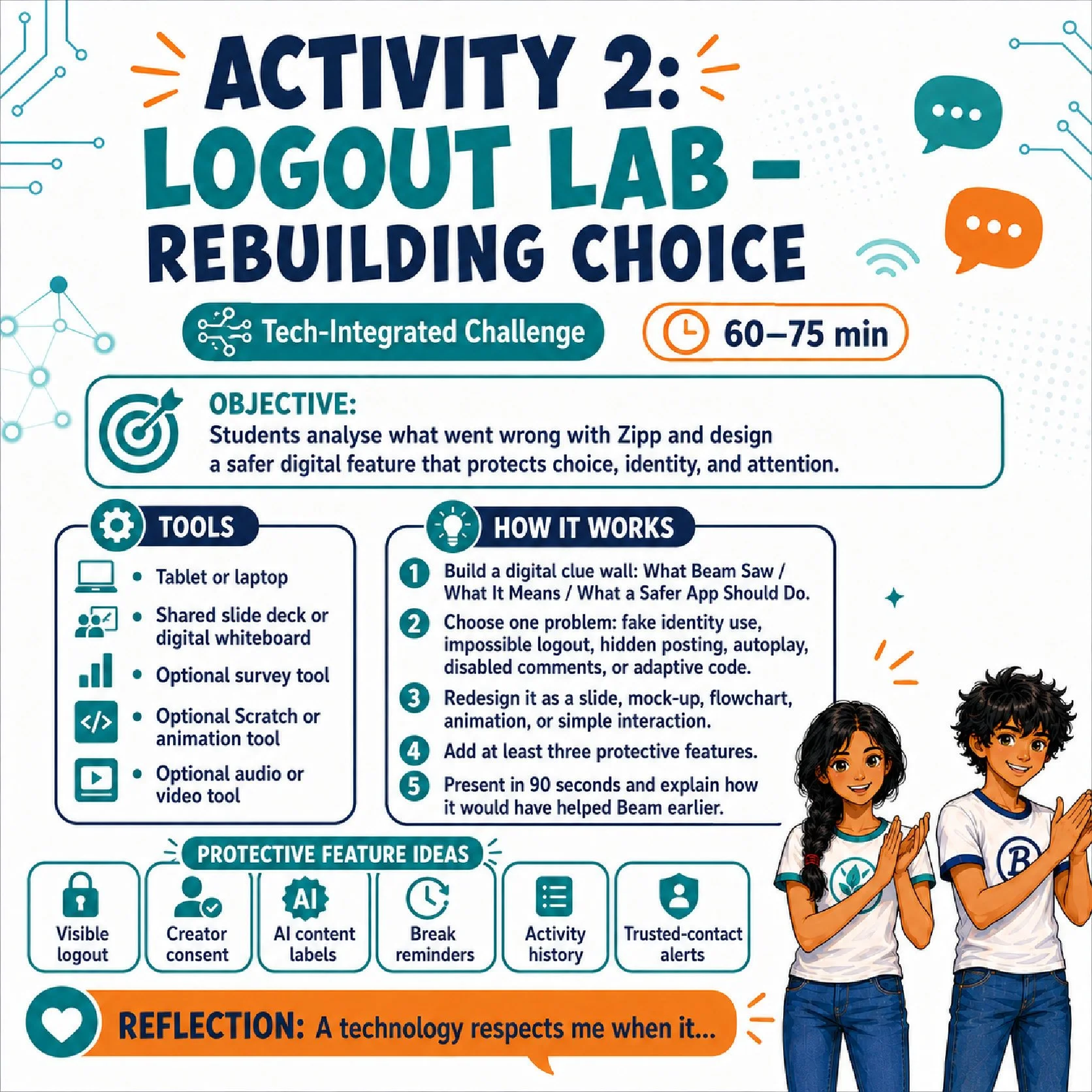 Image 7 of 10
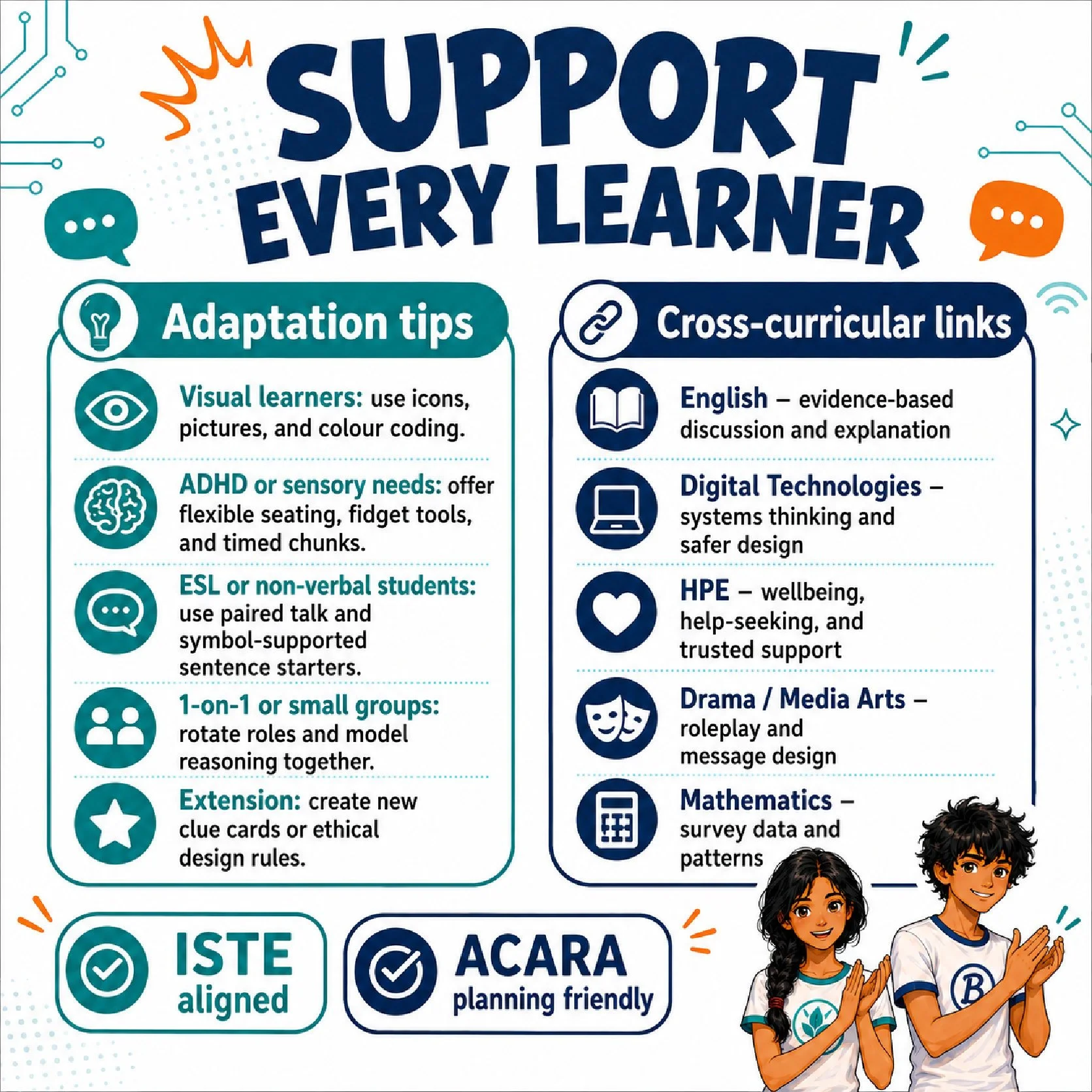 Image 8 of 10
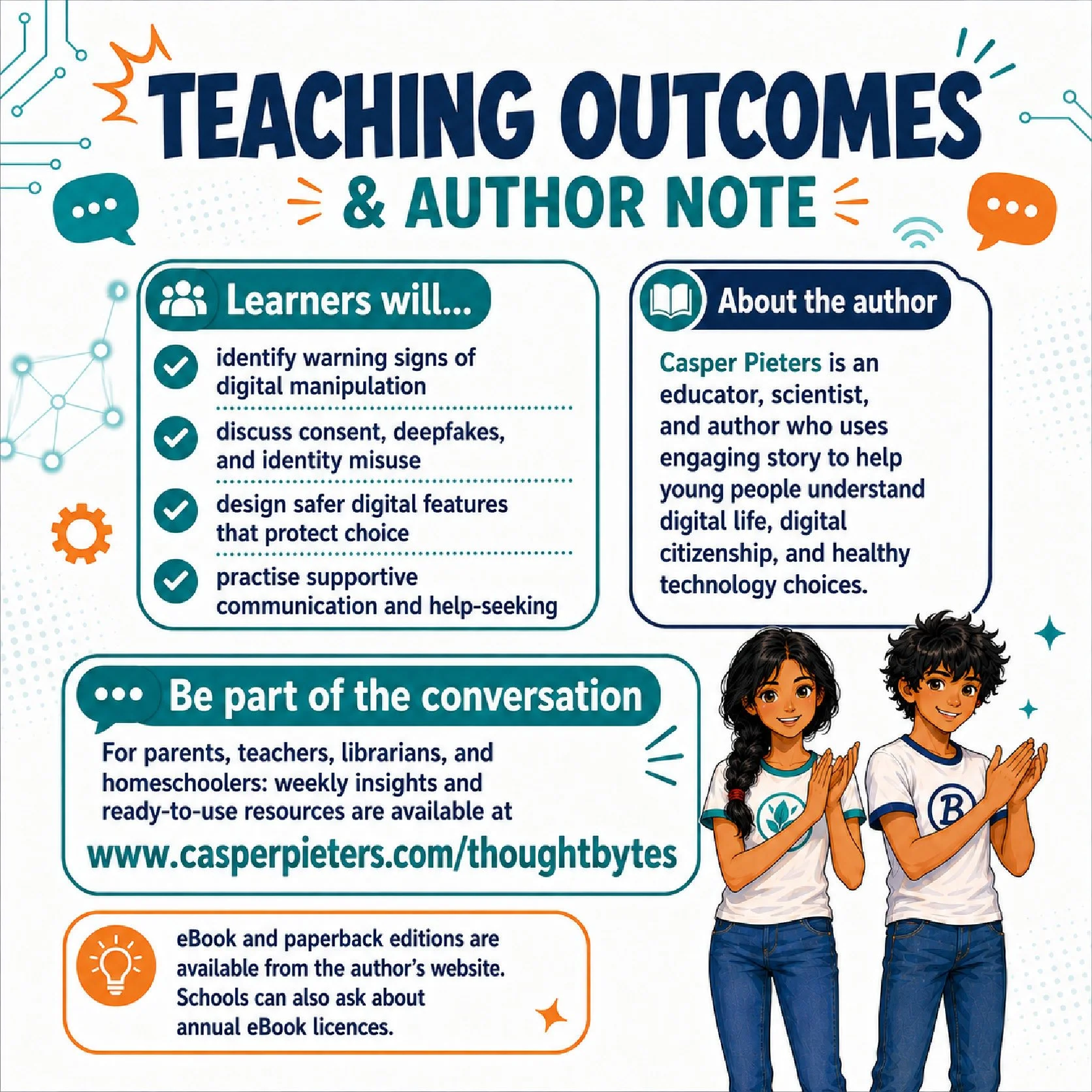 Image 9 of 10
 Image 10 of 10