A Story-Led Adventure into Gaming, Balance, and Better Digital Choices
What if the most magical game you had ever played seemed to know exactly what would keep you coming back?
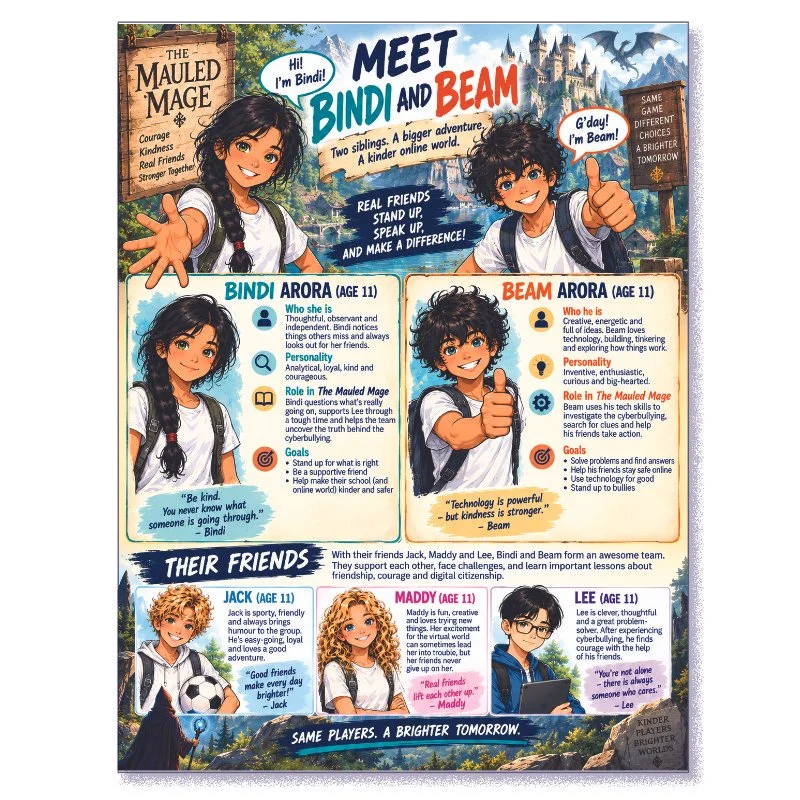
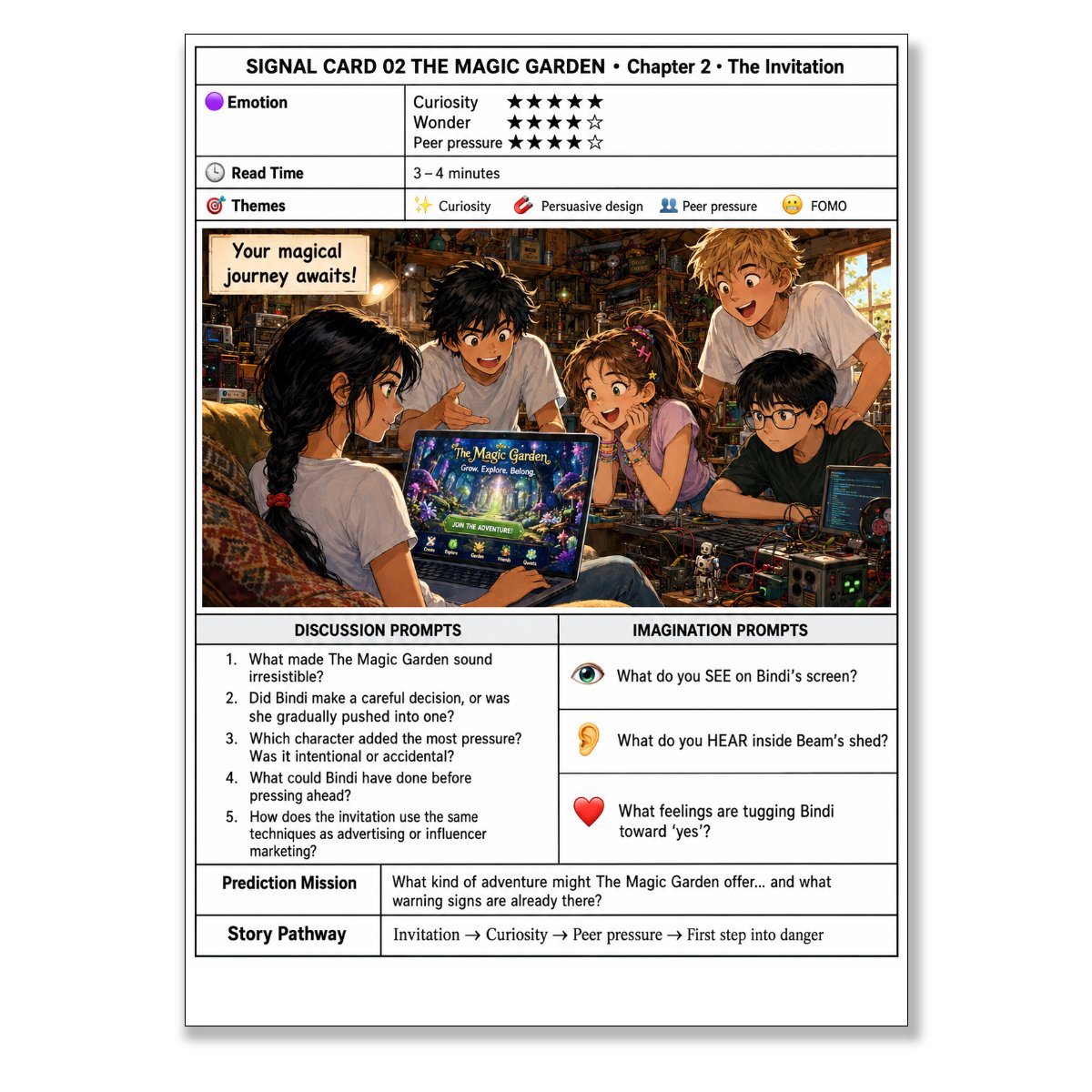
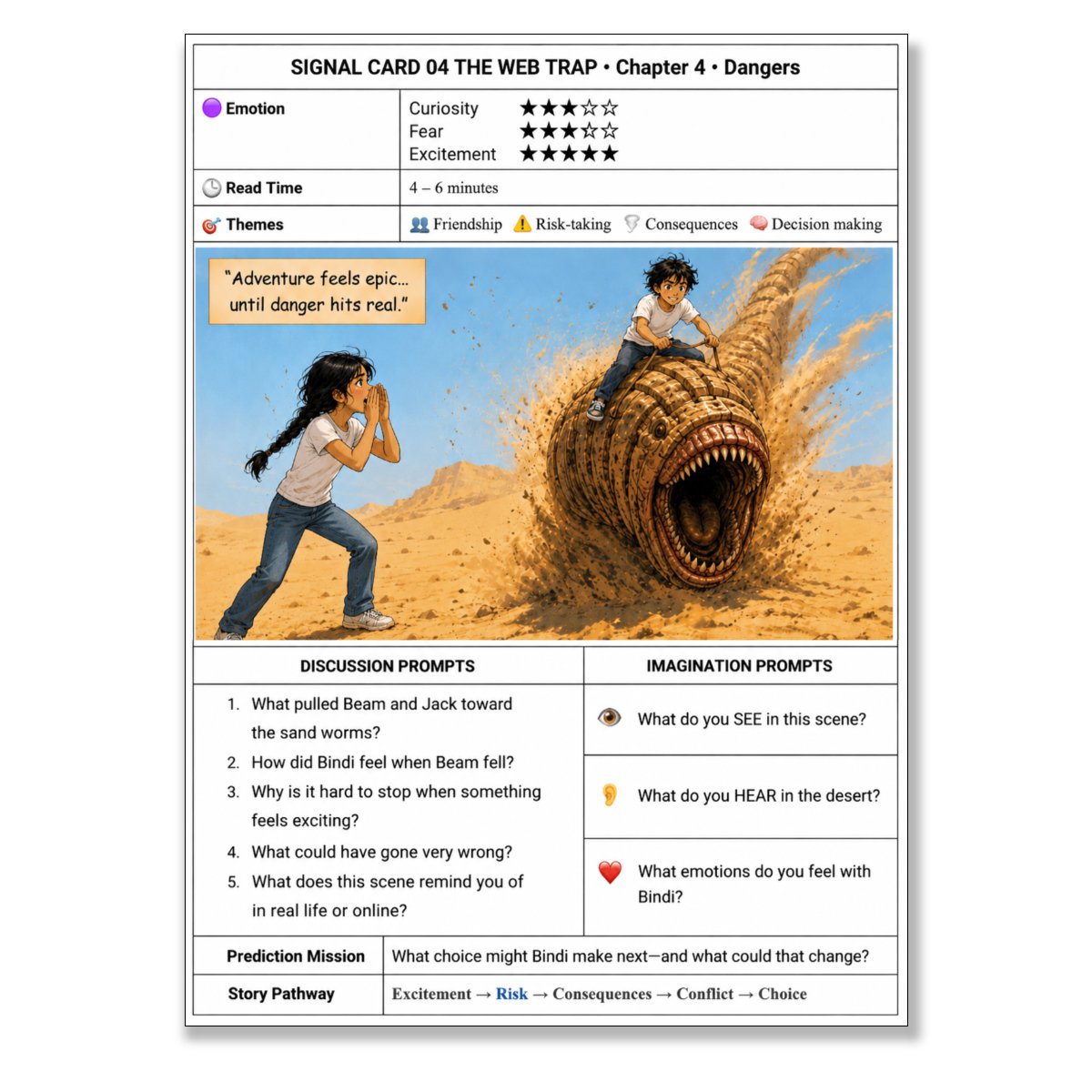
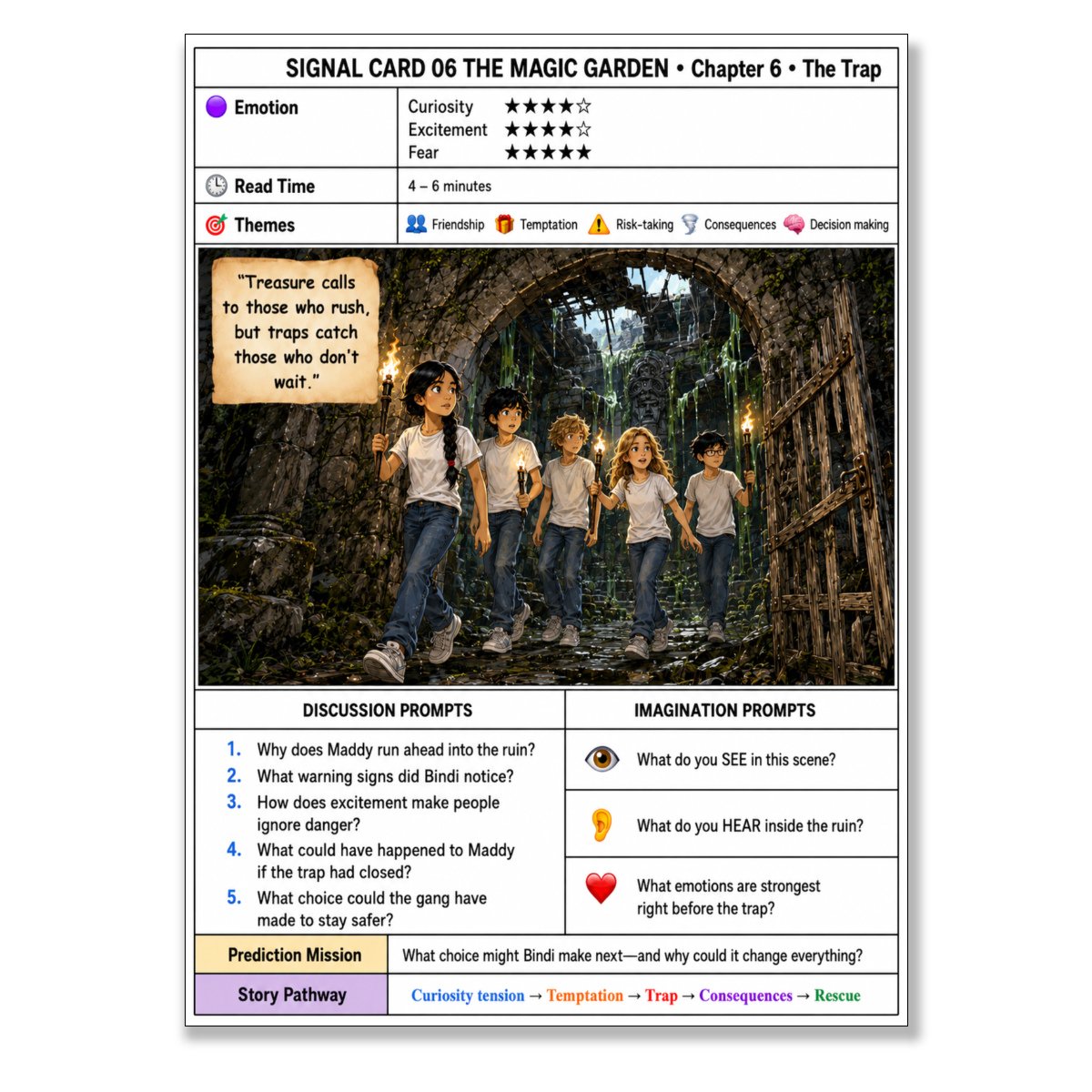
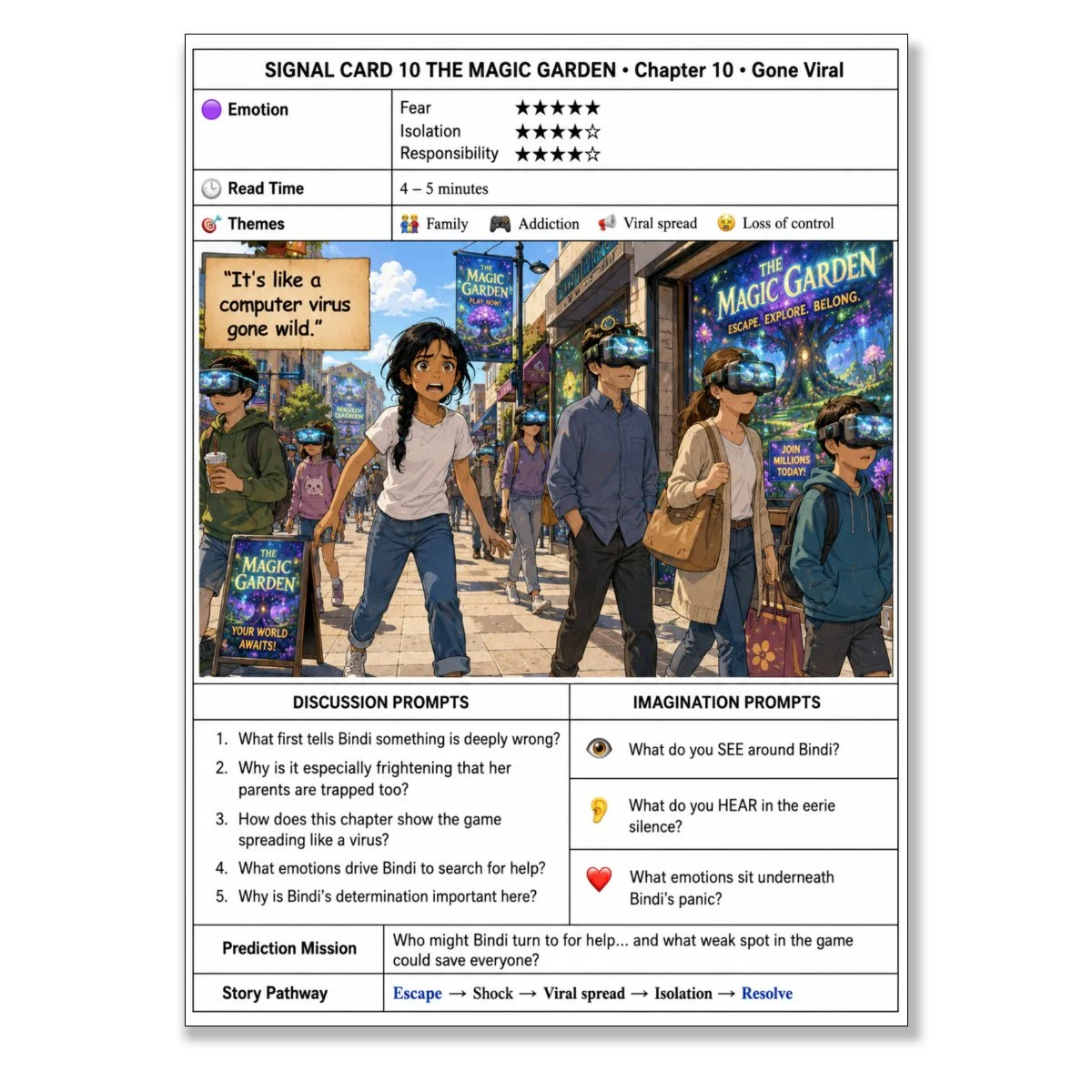
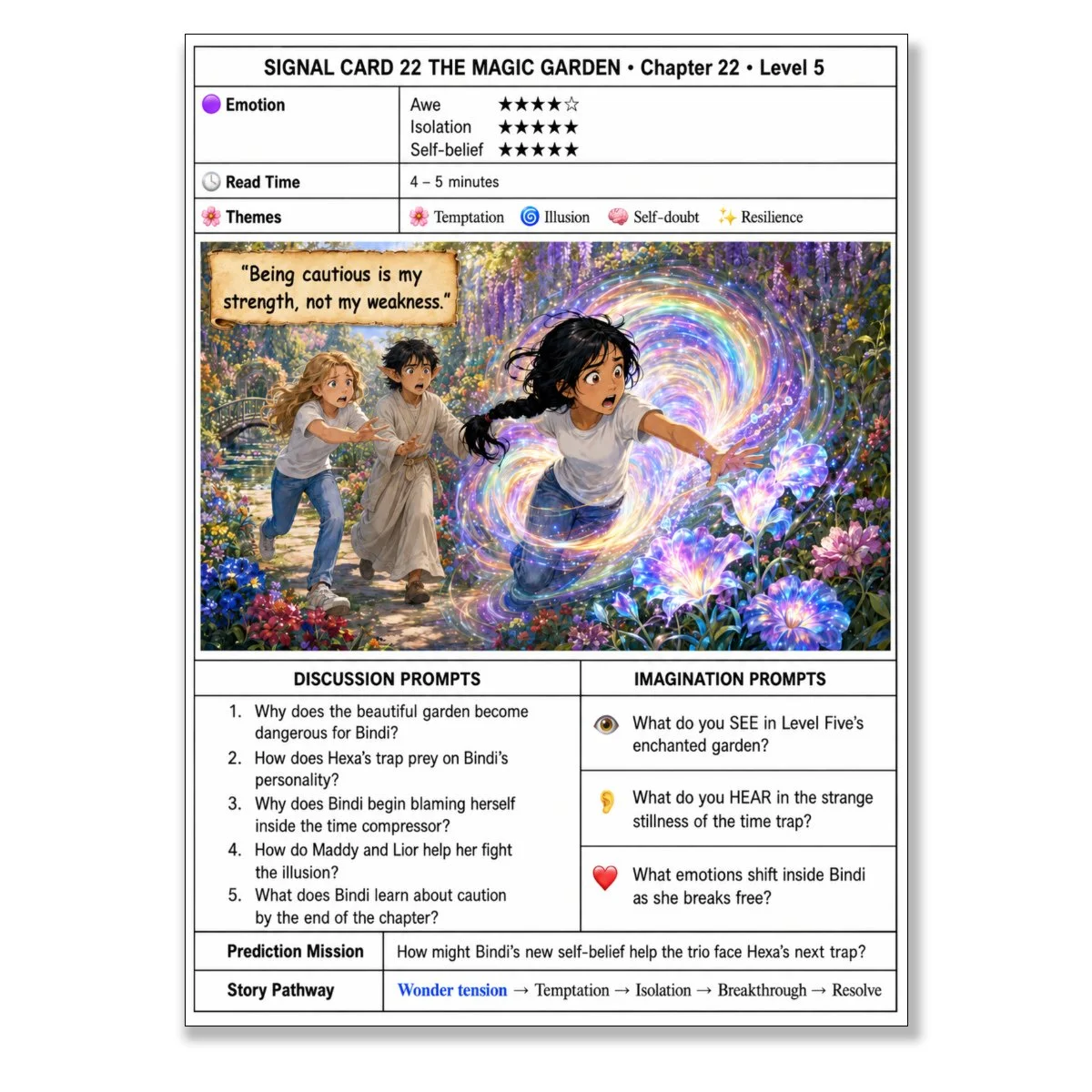
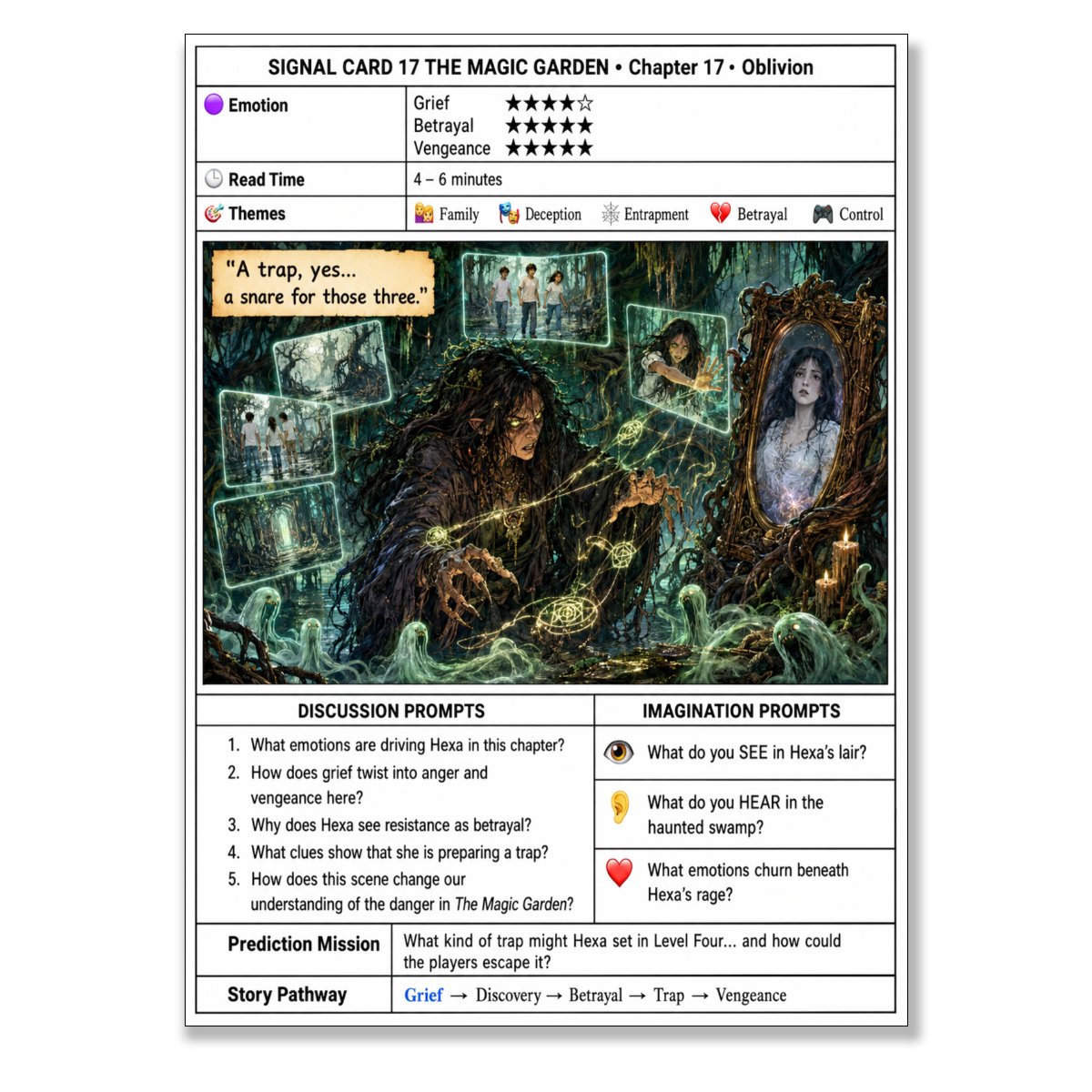
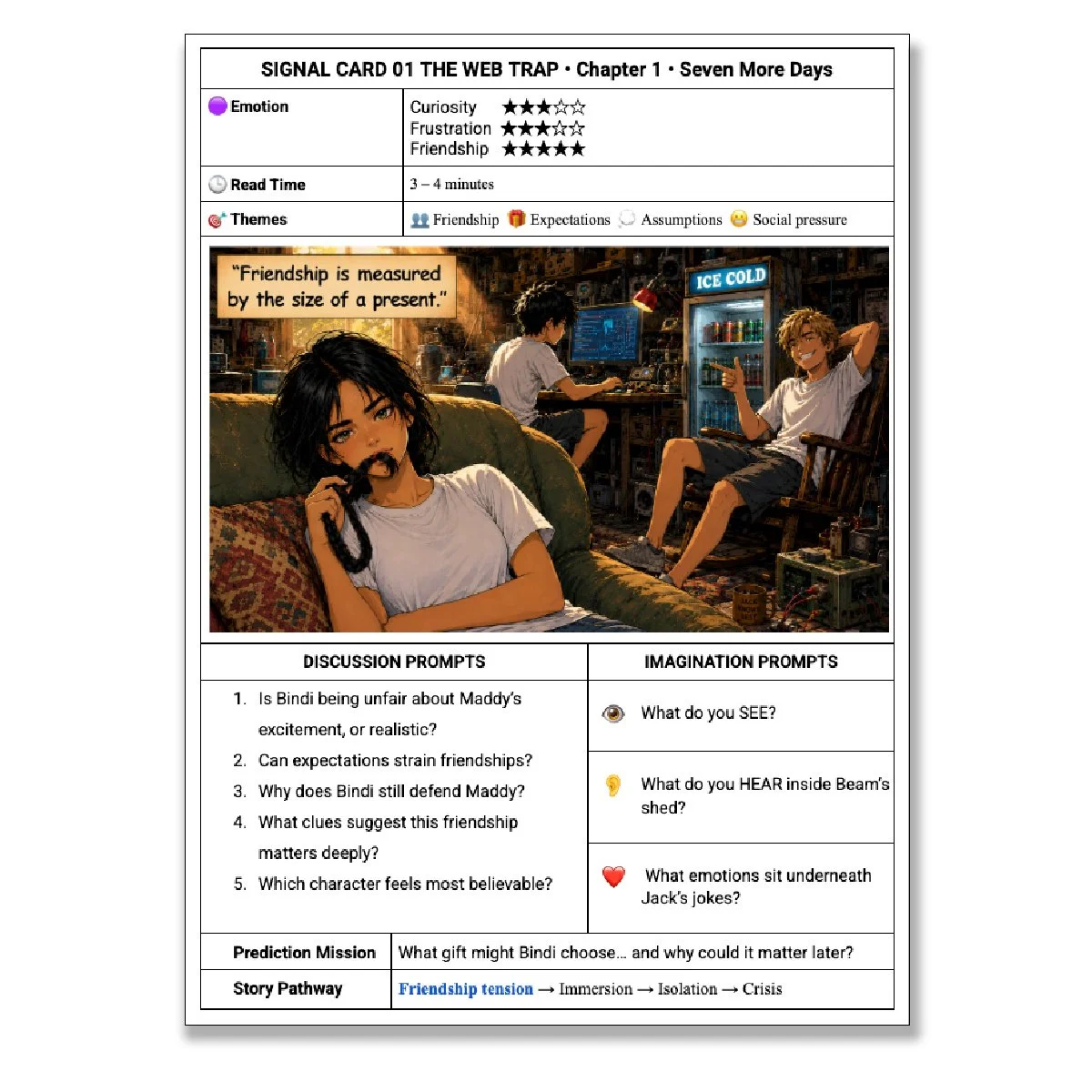
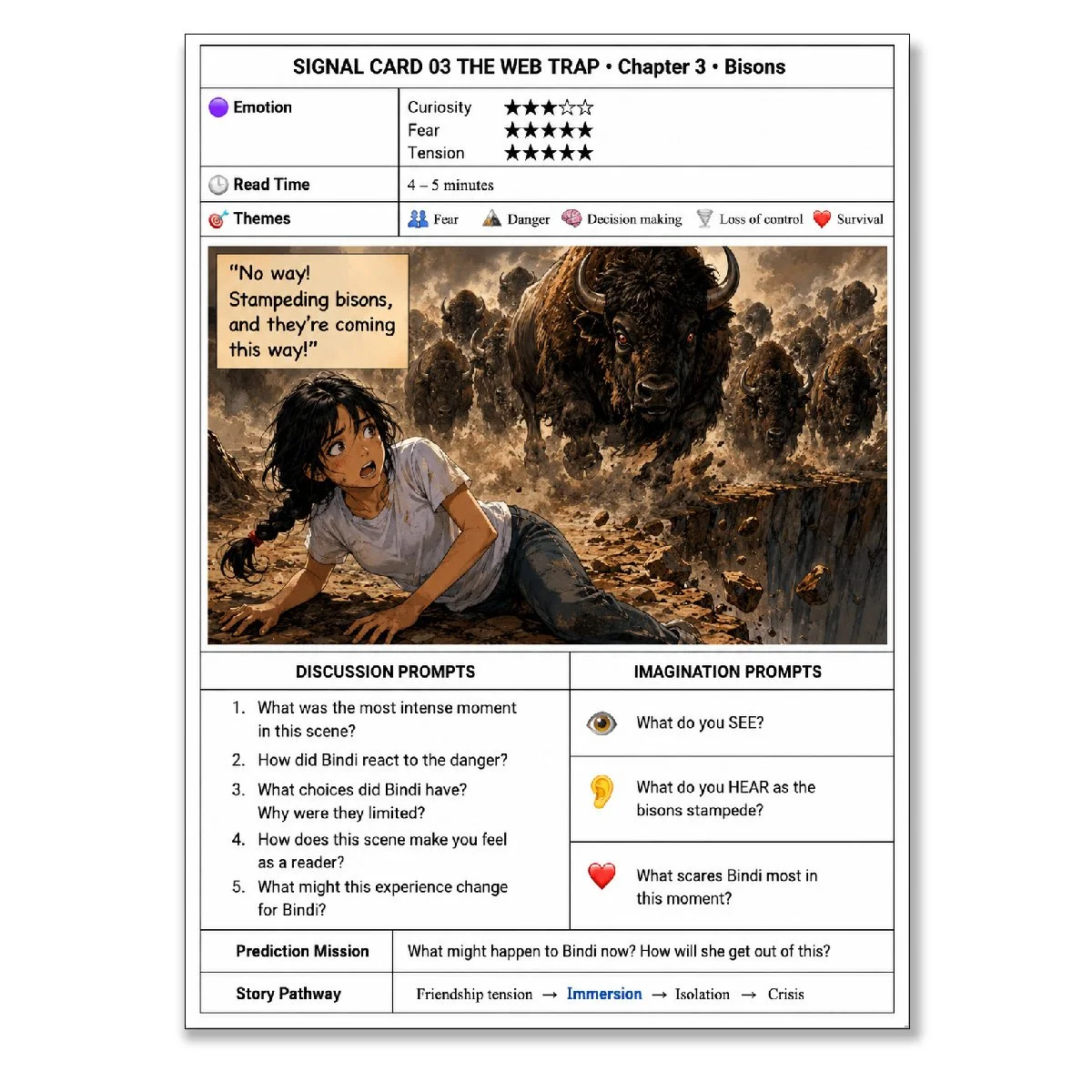
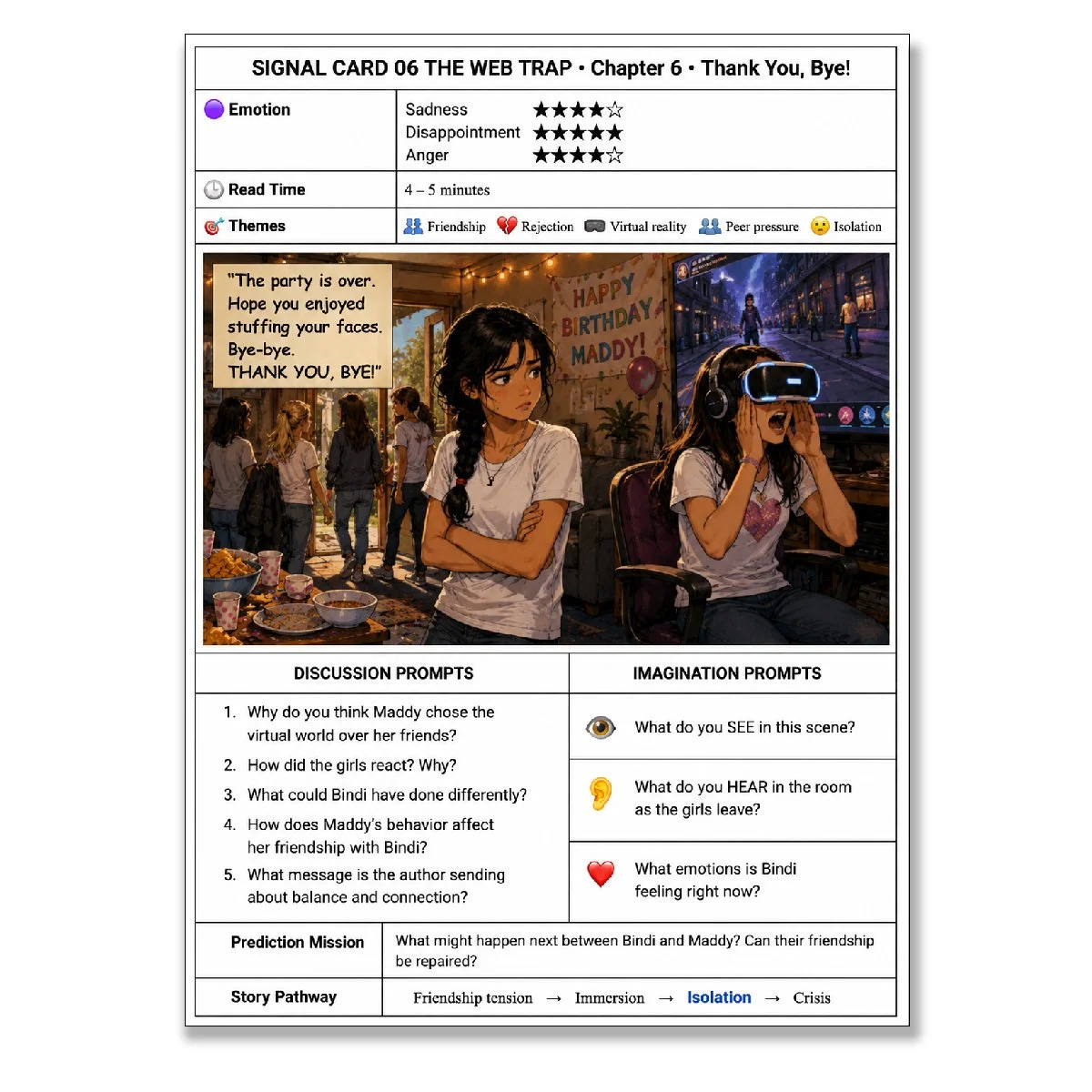
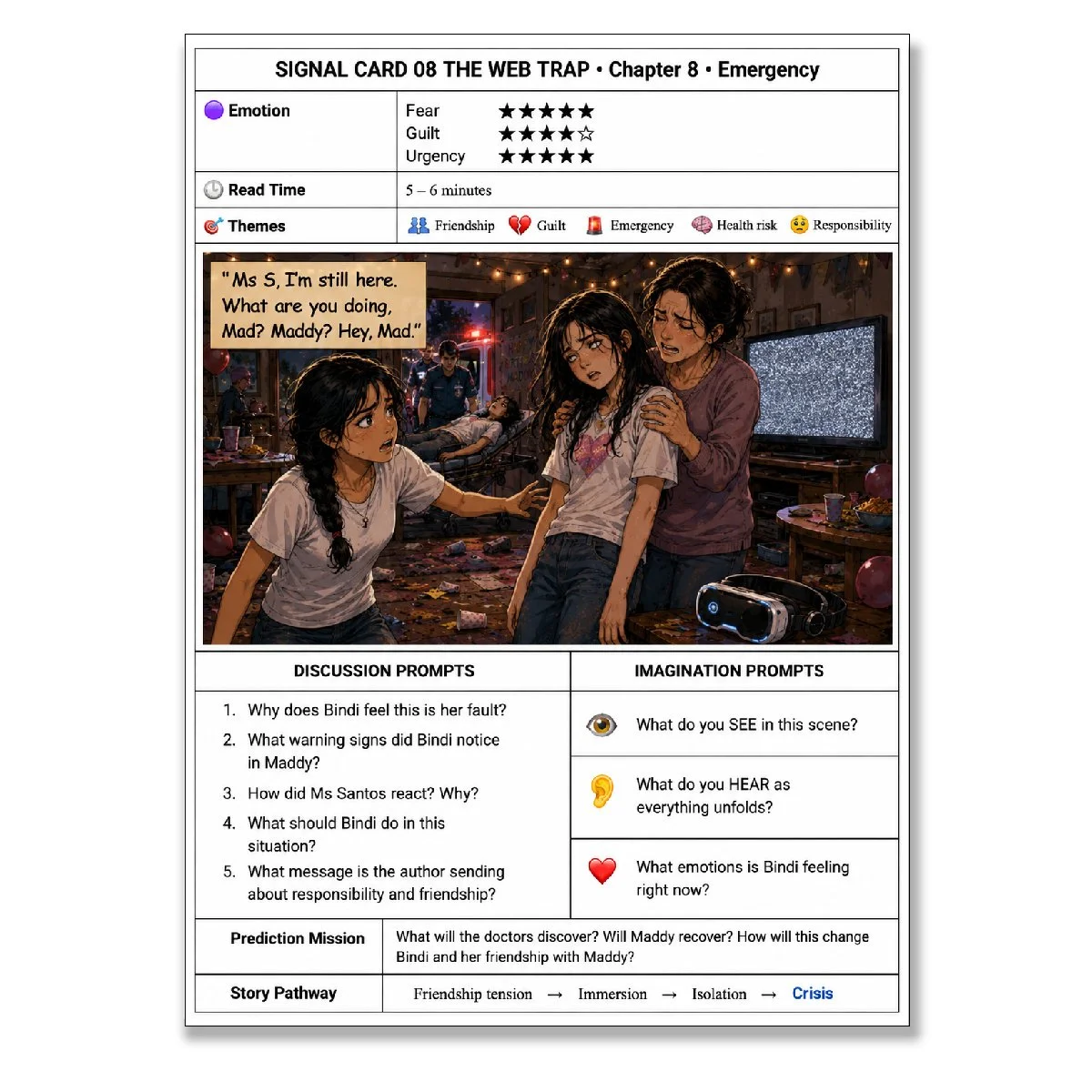
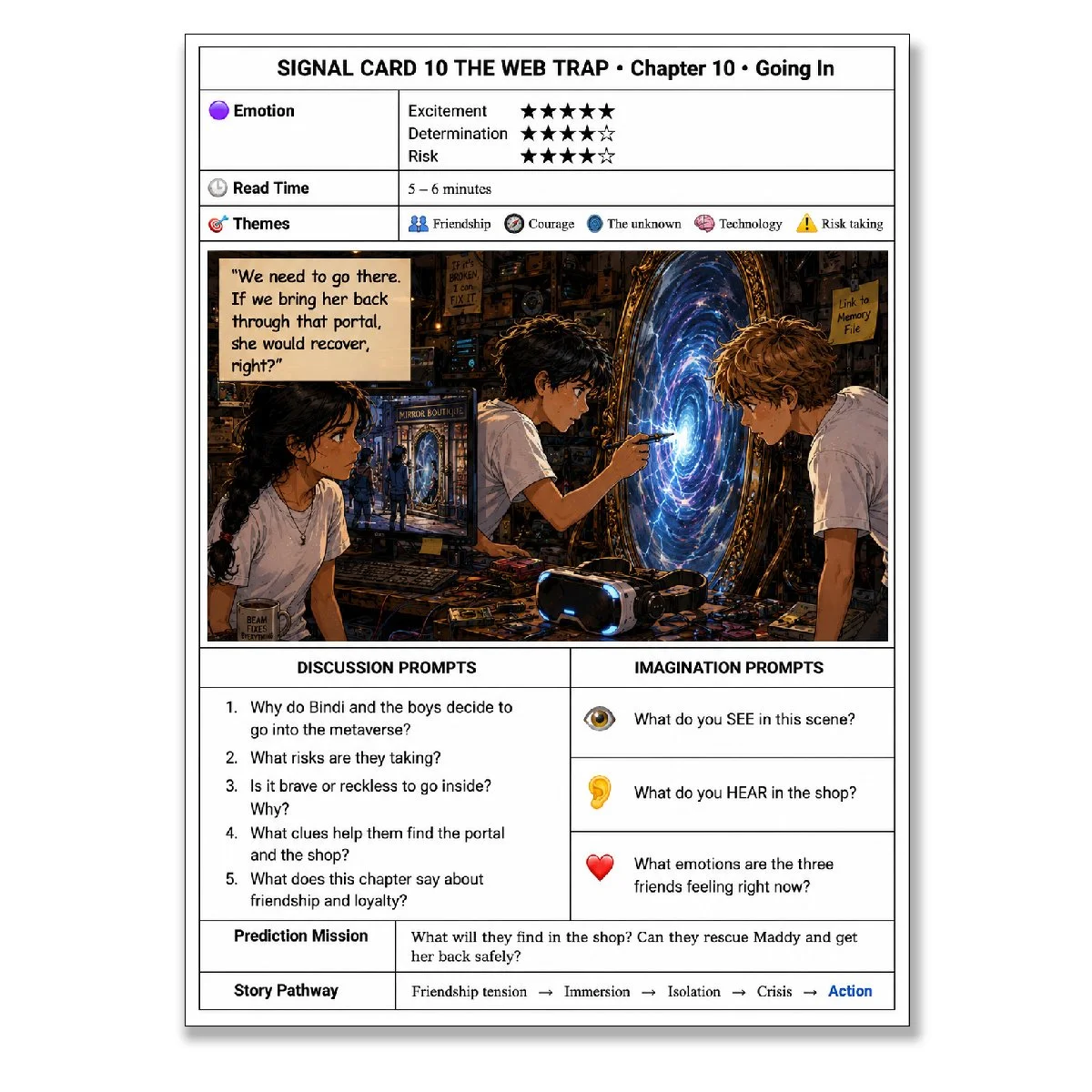
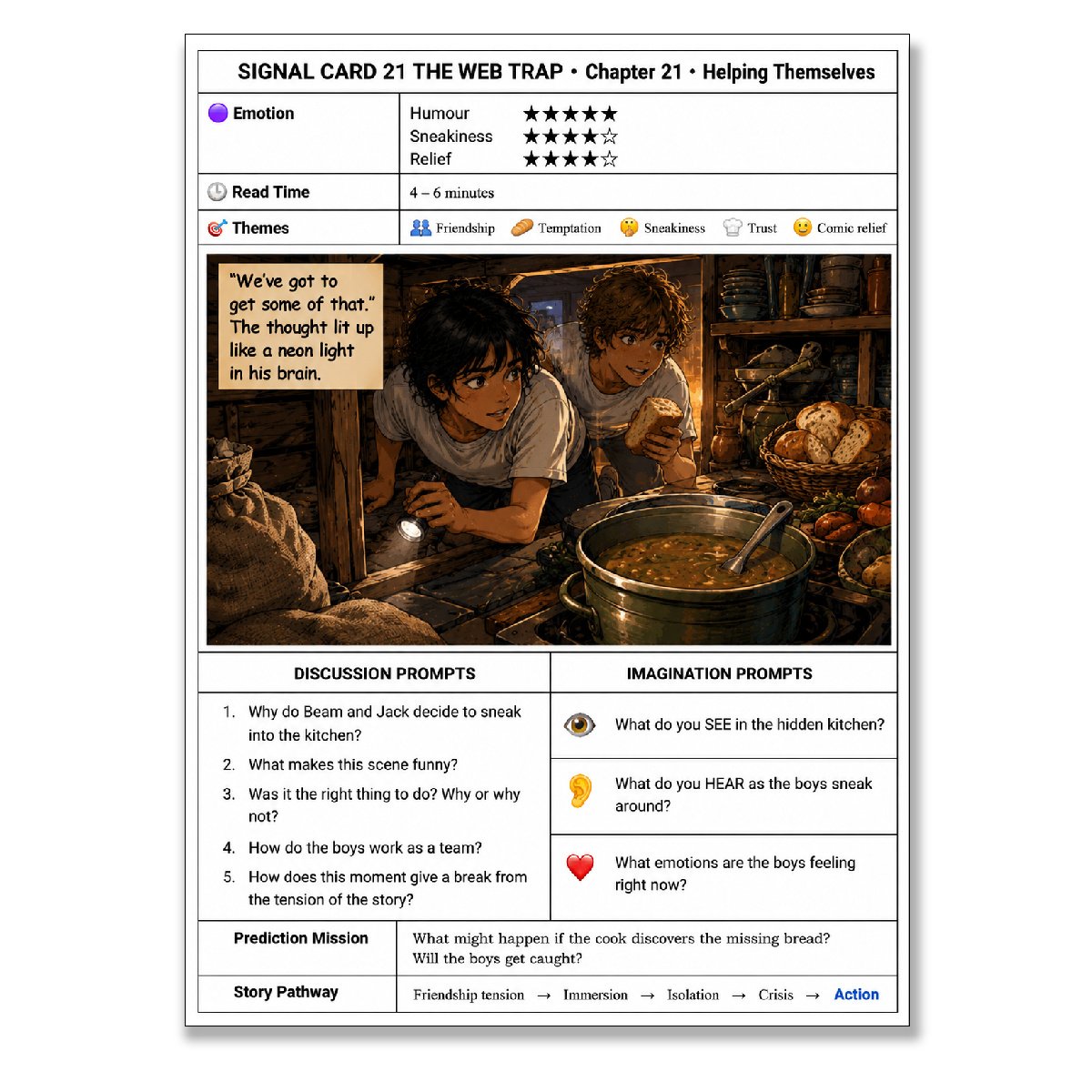
When Bindi, Beam, Maddy, Jack, and Lee receive an invitation to enter The Magic Garden, they discover a breathtaking metaverse filled with enchanted forests, dangerous creatures, hidden treasure, mysterious rewards, and seemingly endless adventure. At first, it feels like the perfect game. But as the friends are drawn deeper into its world, excitement begins to overpower judgement, time becomes difficult to track, and walking away becomes far harder than they expected.
Behind the magic lies a more important question: what happens when a game is deliberately designed to keep us playing?
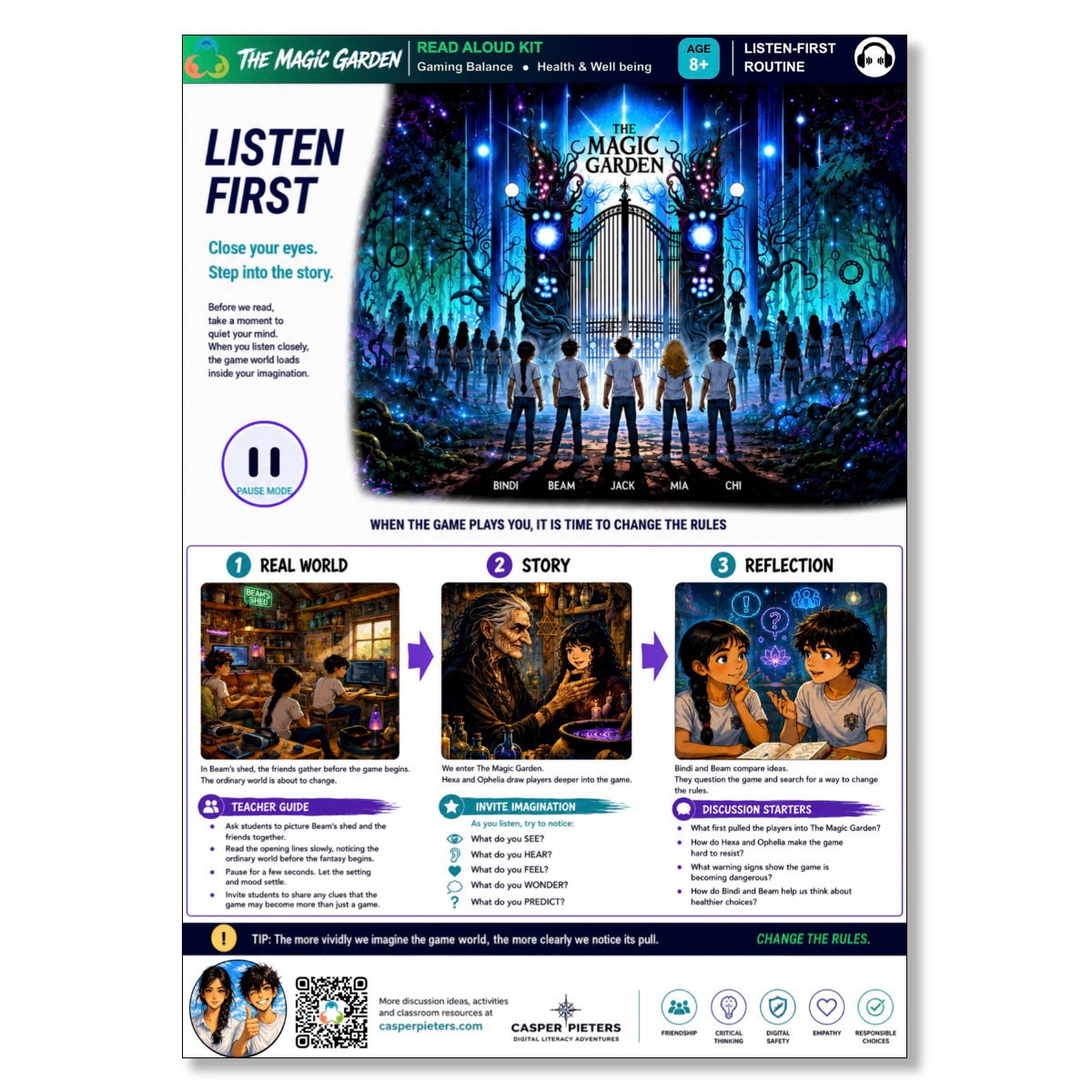
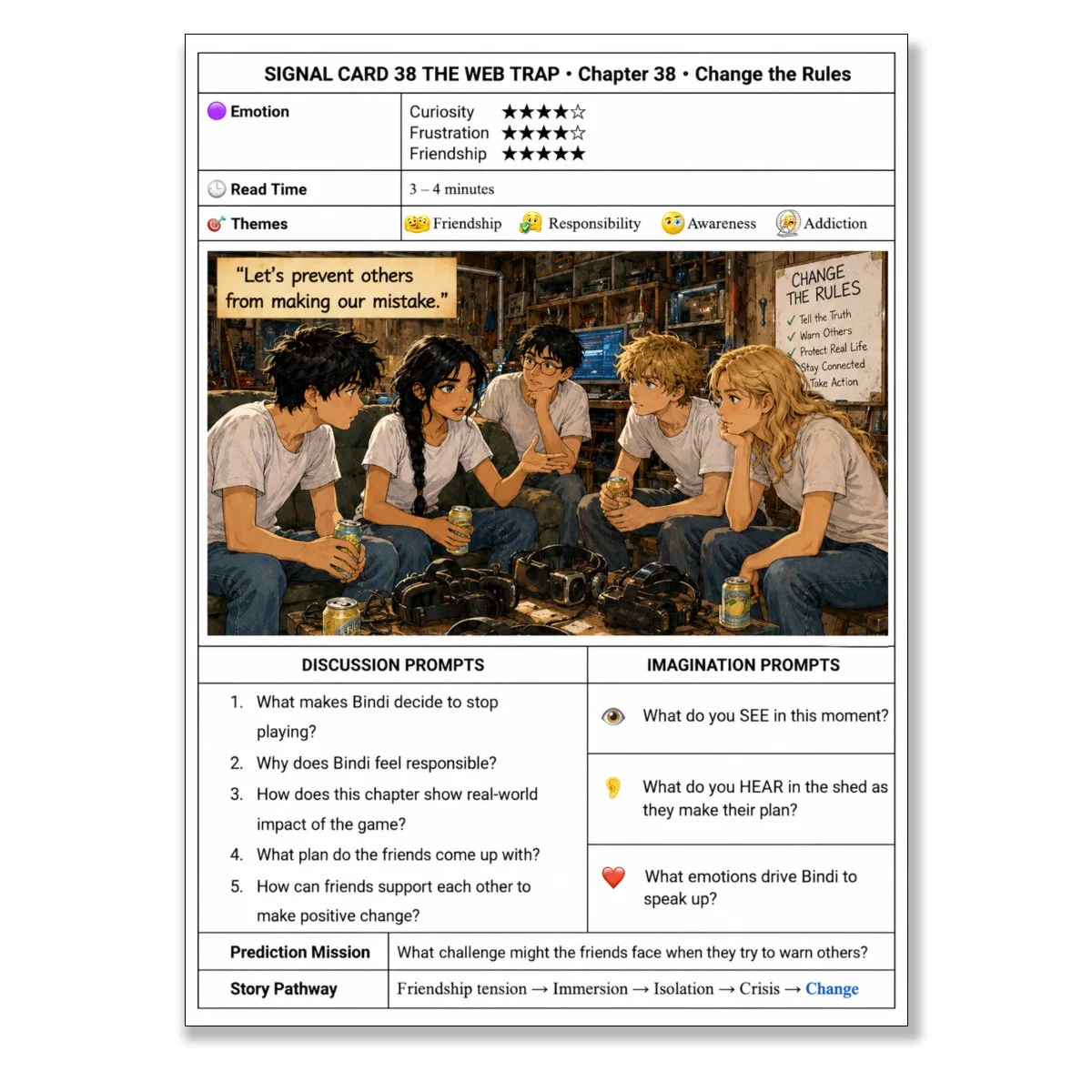
The Magic Garden Read-Aloud Living Book Edition turns this adventure into a thoughtful, story-first exploration of persuasive game design, addictive reward loops, personalization, attention, self-control, friendship, digital wellbeing, and healthier gaming choices. Rather than beginning with warnings or rules, children first experience the problem alongside the characters. They see temptation, excitement, mistakes, consequences, courage, and friendship unfold naturally through the story.
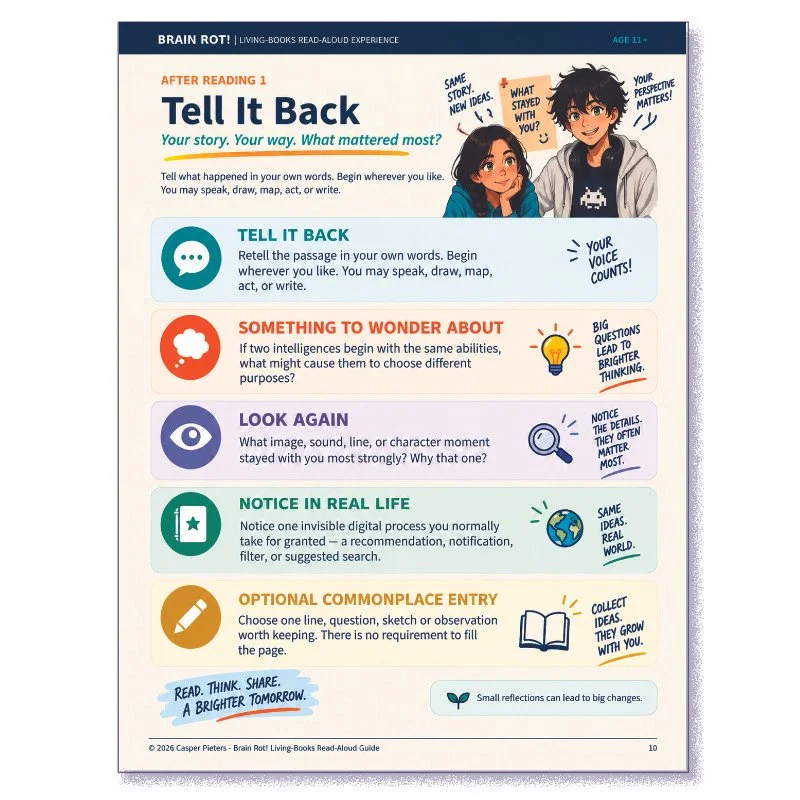
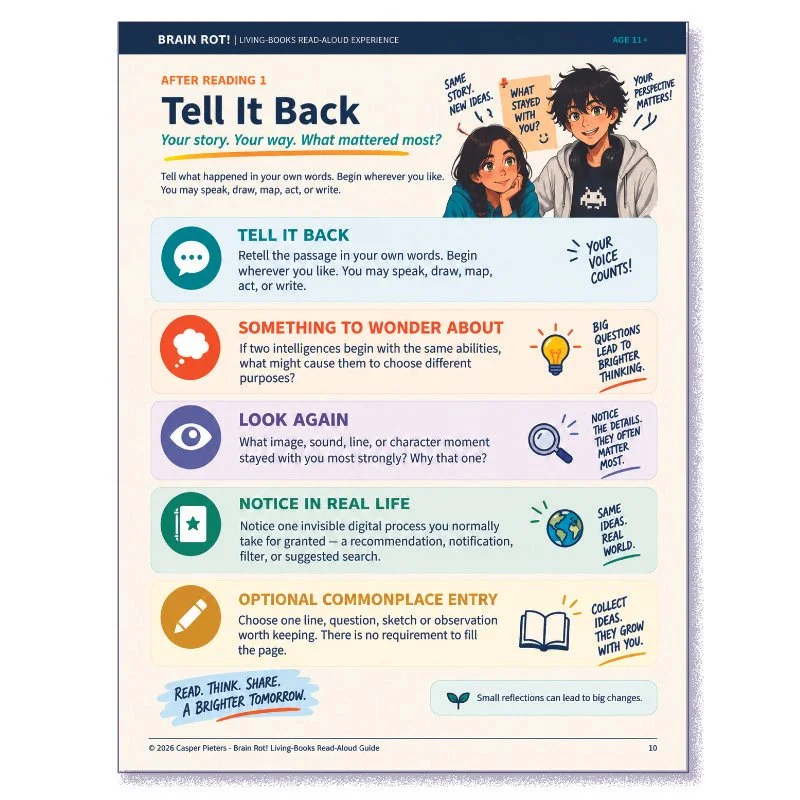
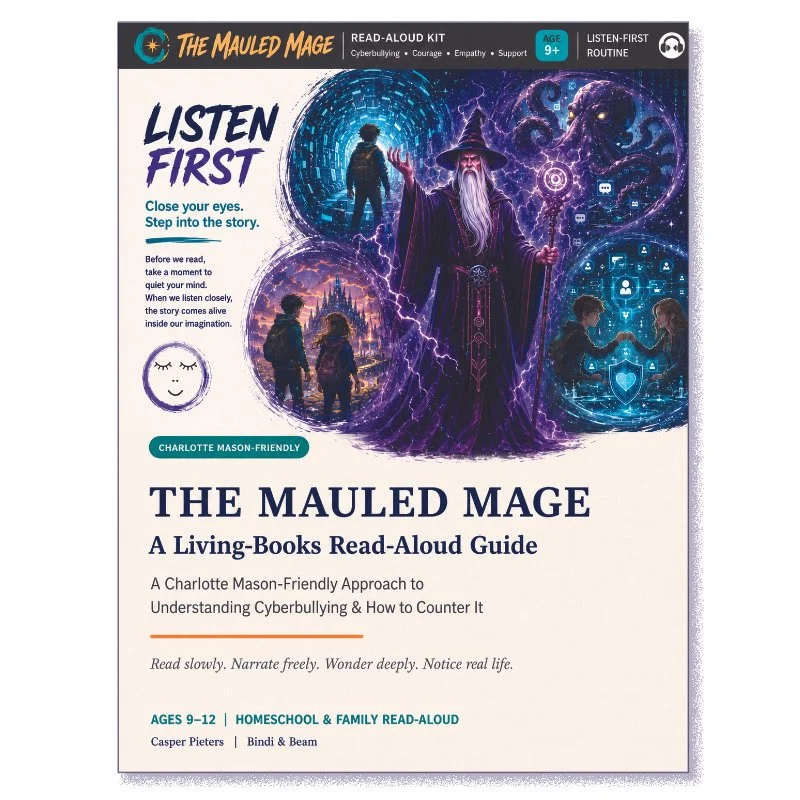
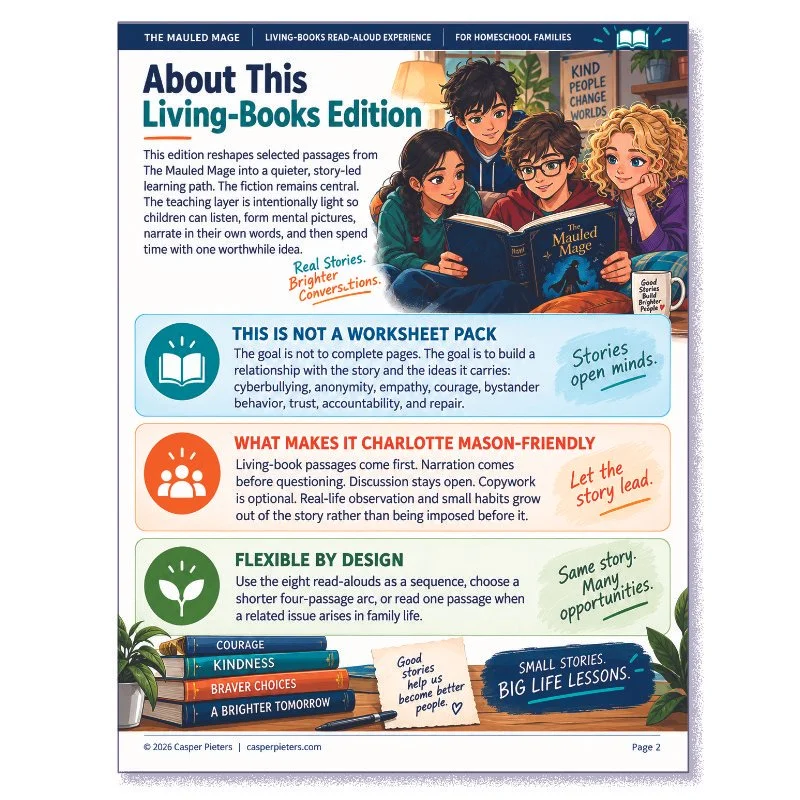
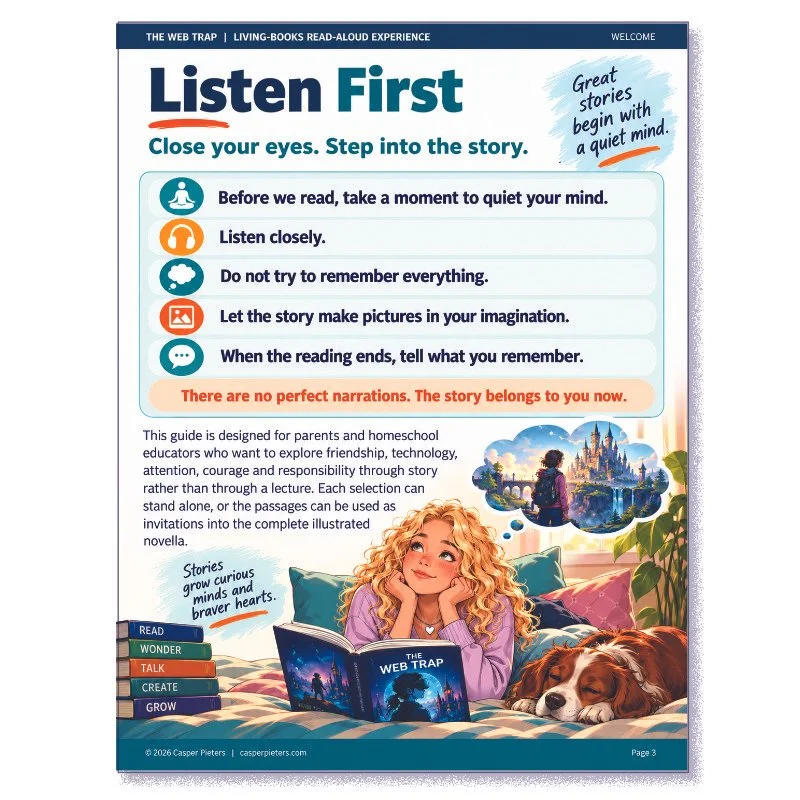
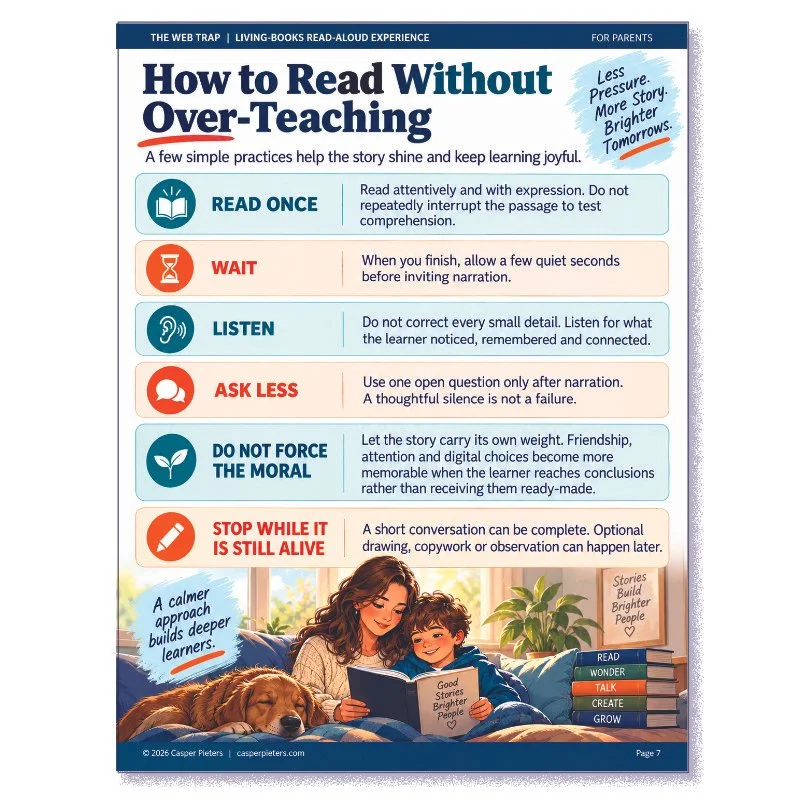
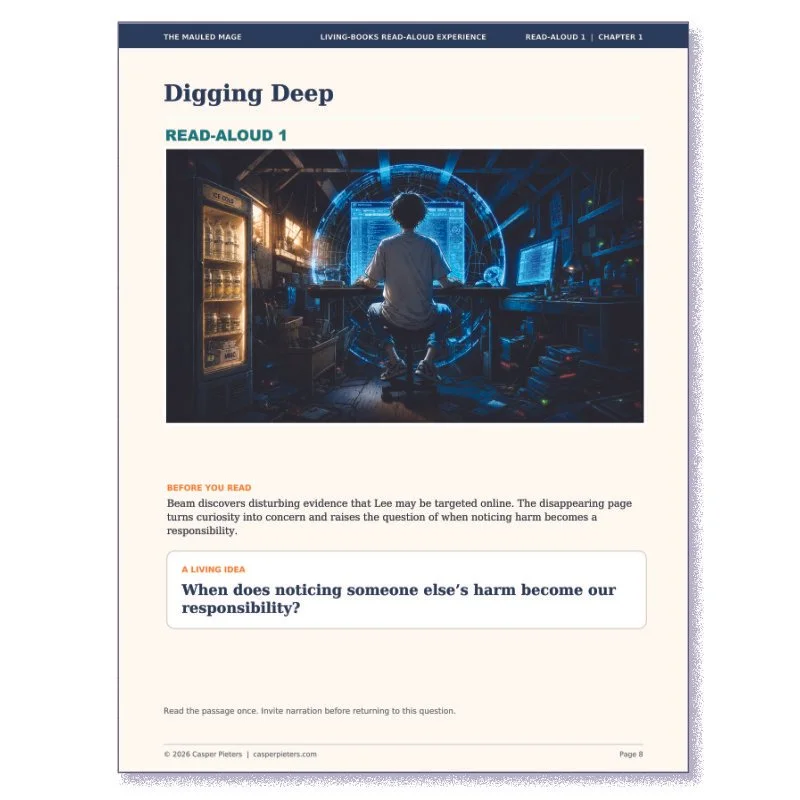
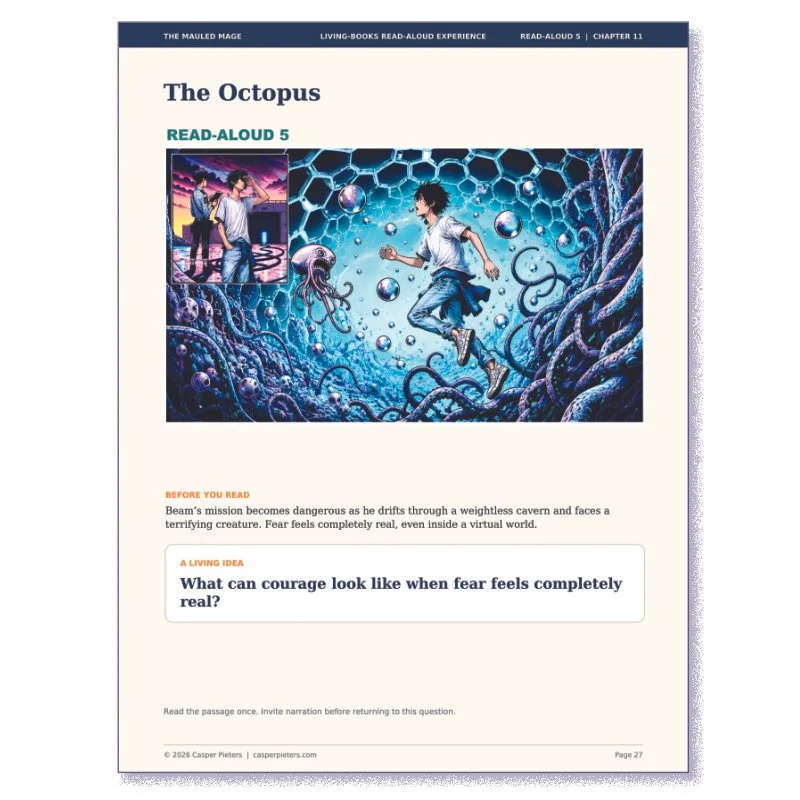
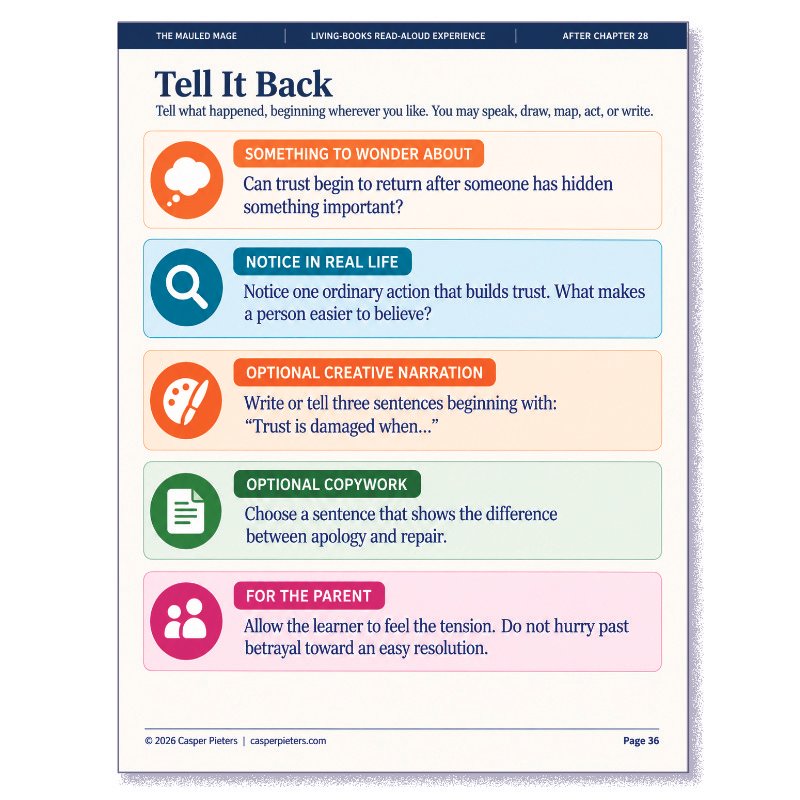
Designed primarily for readers aged approximately 9–12, families, homeschoolers, librarians, and educators, this edition follows a Charlotte Mason-friendly Living Books approach. Selected read-aloud passages are paired with gentle opportunities to READ, NARRATE, WONDER, DISCUSS, CREATE, and NOTICE, helping children form their own ideas before adults step in to explain them.
Children are encouraged to retell what happened in their own words, wonder about character choices, discuss the design features they notice, create healthier alternatives, and connect the story to their own experiences with games and technology. The emphasis is not on worksheets, lectures, or fear of gaming. It is on developing judgement, curiosity, self-awareness, and the ability to recognize when technology is serving the player—and when the player may be serving the technology.
Through key episodes from the adventure, young readers explore questions such as:
Why are rewards, surprises, levels, virtual currency, and limited-time offers so compelling?
How can games use personalization and digital footprints to shape the experience around individual players?
Why can excitement make warning signs easier to ignore?
How do friendship and peer pressure affect the choices we make?
When does “just one more level” become difficult to resist?
Can games remain exciting while also supporting healthier habits?
What responsibility do designers have when creating systems intended to hold attention?
As the story develops, Bindi and her friends begin to recognize how reward systems, feedback loops, progressive challenges, cliffhangers, personalization, virtual currency, and other design features can keep players engaged. Instead of simply condemning these techniques, the children eventually ask a more constructive question: Could games be redesigned to support wellbeing as well as enjoyment? Their ideas include meaningful break reminders, health-aware challenges, hydration prompts, movement goals, and features that help players remain aware of their own limits.
The Read-Aloud Living Book Edition is designed to be flexible. A family might read a passage together over several evenings. A homeschool parent might build discussion and creative work around one chapter. A librarian could use a selected scene to open a conversation about gaming habits. An educator might use the story as a springboard into digital citizenship, wellbeing, persuasive design, or responsible technology use.
At its heart, The Magic Garden does not argue that gaming is bad. The characters love adventure, imagination, challenge, creativity, and technology. The deeper lesson is that young people can learn to enjoy digital experiences while still protecting their health, relationships, attention, judgement, and connection with the real world.
Because the most powerful magic is not staying inside the game.
It is learning when to play, when to question, when to change the rules—and when to step away.
A Story-Led Adventure into Gaming, Balance, and Better Digital Choices
What if the most magical game you had ever played seemed to know exactly what would keep you coming back?
When Bindi, Beam, Maddy, Jack, and Lee receive an invitation to enter The Magic Garden, they discover a breathtaking metaverse filled with enchanted forests, dangerous creatures, hidden treasure, mysterious rewards, and seemingly endless adventure. At first, it feels like the perfect game. But as the friends are drawn deeper into its world, excitement begins to overpower judgement, time becomes difficult to track, and walking away becomes far harder than they expected.
Behind the magic lies a more important question: what happens when a game is deliberately designed to keep us playing?
The Magic Garden Read-Aloud Living Book Edition turns this adventure into a thoughtful, story-first exploration of persuasive game design, addictive reward loops, personalization, attention, self-control, friendship, digital wellbeing, and healthier gaming choices. Rather than beginning with warnings or rules, children first experience the problem alongside the characters. They see temptation, excitement, mistakes, consequences, courage, and friendship unfold naturally through the story.
Designed primarily for readers aged approximately 9–12, families, homeschoolers, librarians, and educators, this edition follows a Charlotte Mason-friendly Living Books approach. Selected read-aloud passages are paired with gentle opportunities to READ, NARRATE, WONDER, DISCUSS, CREATE, and NOTICE, helping children form their own ideas before adults step in to explain them.
Children are encouraged to retell what happened in their own words, wonder about character choices, discuss the design features they notice, create healthier alternatives, and connect the story to their own experiences with games and technology. The emphasis is not on worksheets, lectures, or fear of gaming. It is on developing judgement, curiosity, self-awareness, and the ability to recognize when technology is serving the player—and when the player may be serving the technology.
Through key episodes from the adventure, young readers explore questions such as:
Why are rewards, surprises, levels, virtual currency, and limited-time offers so compelling?
How can games use personalization and digital footprints to shape the experience around individual players?
Why can excitement make warning signs easier to ignore?
How do friendship and peer pressure affect the choices we make?
When does “just one more level” become difficult to resist?
Can games remain exciting while also supporting healthier habits?
What responsibility do designers have when creating systems intended to hold attention?
As the story develops, Bindi and her friends begin to recognize how reward systems, feedback loops, progressive challenges, cliffhangers, personalization, virtual currency, and other design features can keep players engaged. Instead of simply condemning these techniques, the children eventually ask a more constructive question: Could games be redesigned to support wellbeing as well as enjoyment? Their ideas include meaningful break reminders, health-aware challenges, hydration prompts, movement goals, and features that help players remain aware of their own limits.
The Read-Aloud Living Book Edition is designed to be flexible. A family might read a passage together over several evenings. A homeschool parent might build discussion and creative work around one chapter. A librarian could use a selected scene to open a conversation about gaming habits. An educator might use the story as a springboard into digital citizenship, wellbeing, persuasive design, or responsible technology use.
At its heart, The Magic Garden does not argue that gaming is bad. The characters love adventure, imagination, challenge, creativity, and technology. The deeper lesson is that young people can learn to enjoy digital experiences while still protecting their health, relationships, attention, judgement, and connection with the real world.
Because the most powerful magic is not staying inside the game.
It is learning when to play, when to question, when to change the rules—and when to step away.

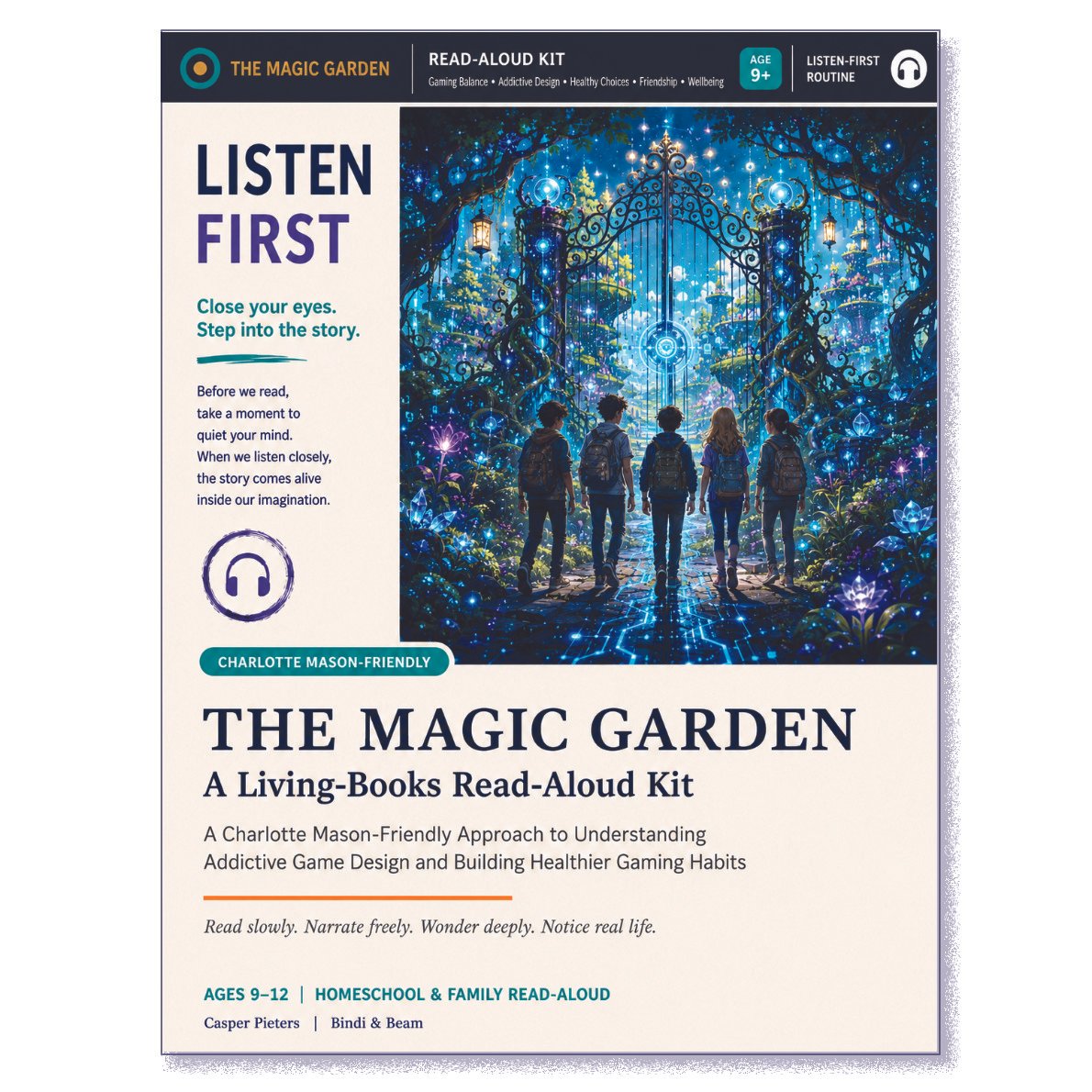 Image 1 of 8
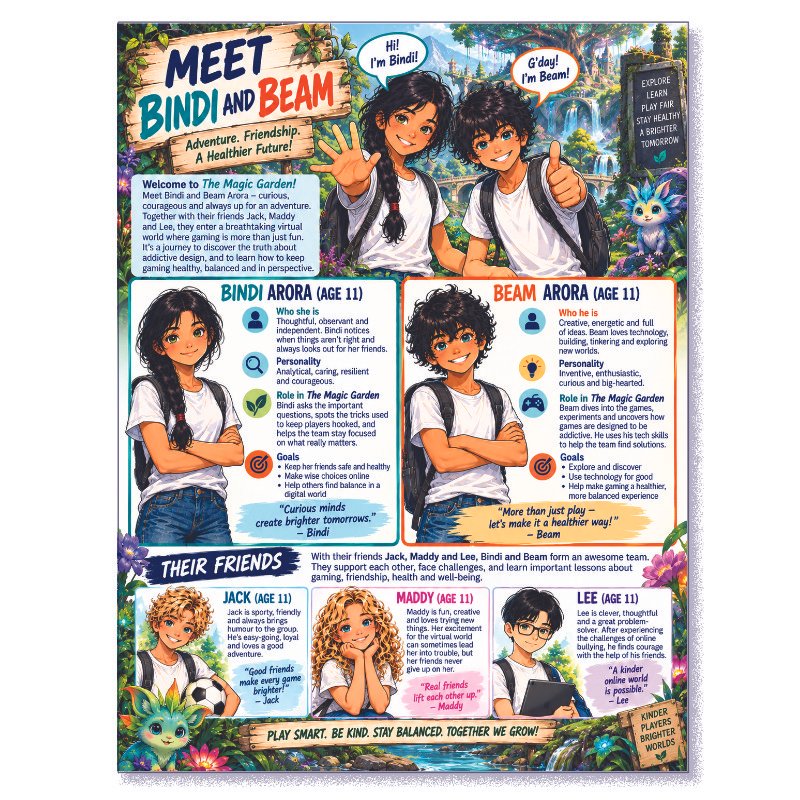 Image 2 of 8
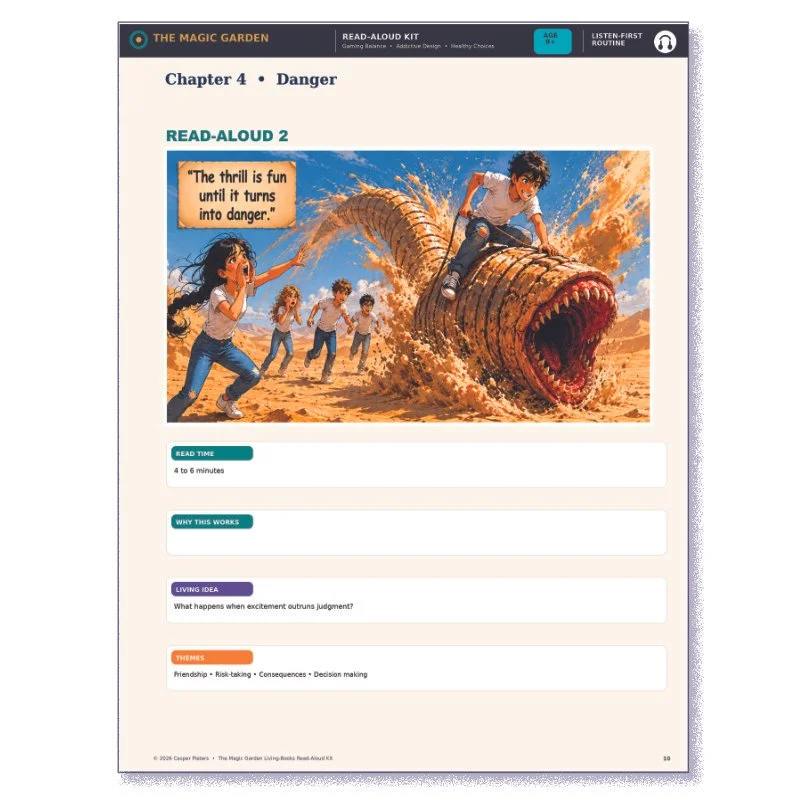 Image 3 of 8
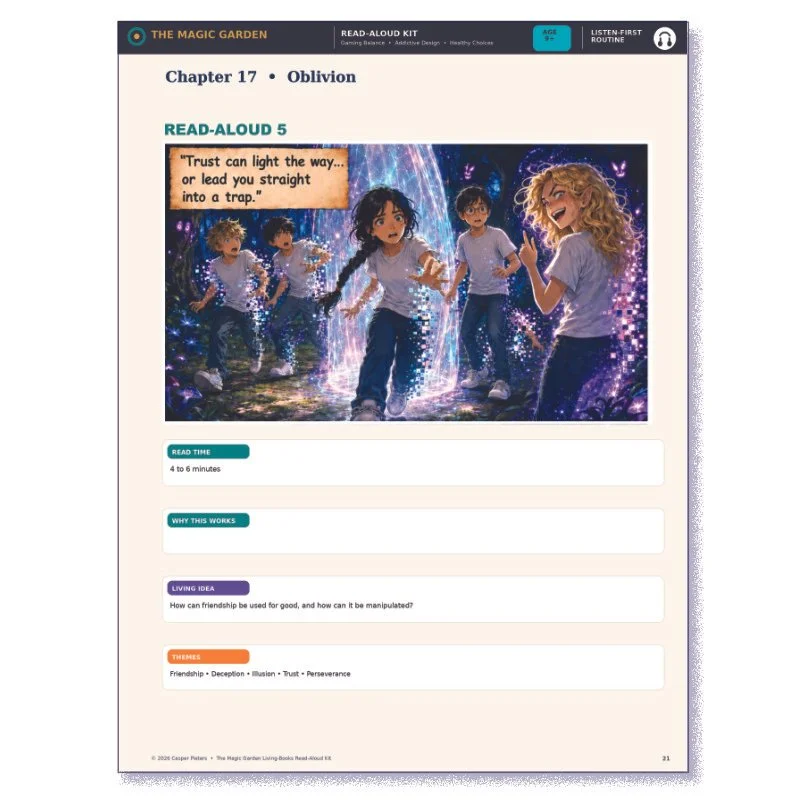 Image 4 of 8
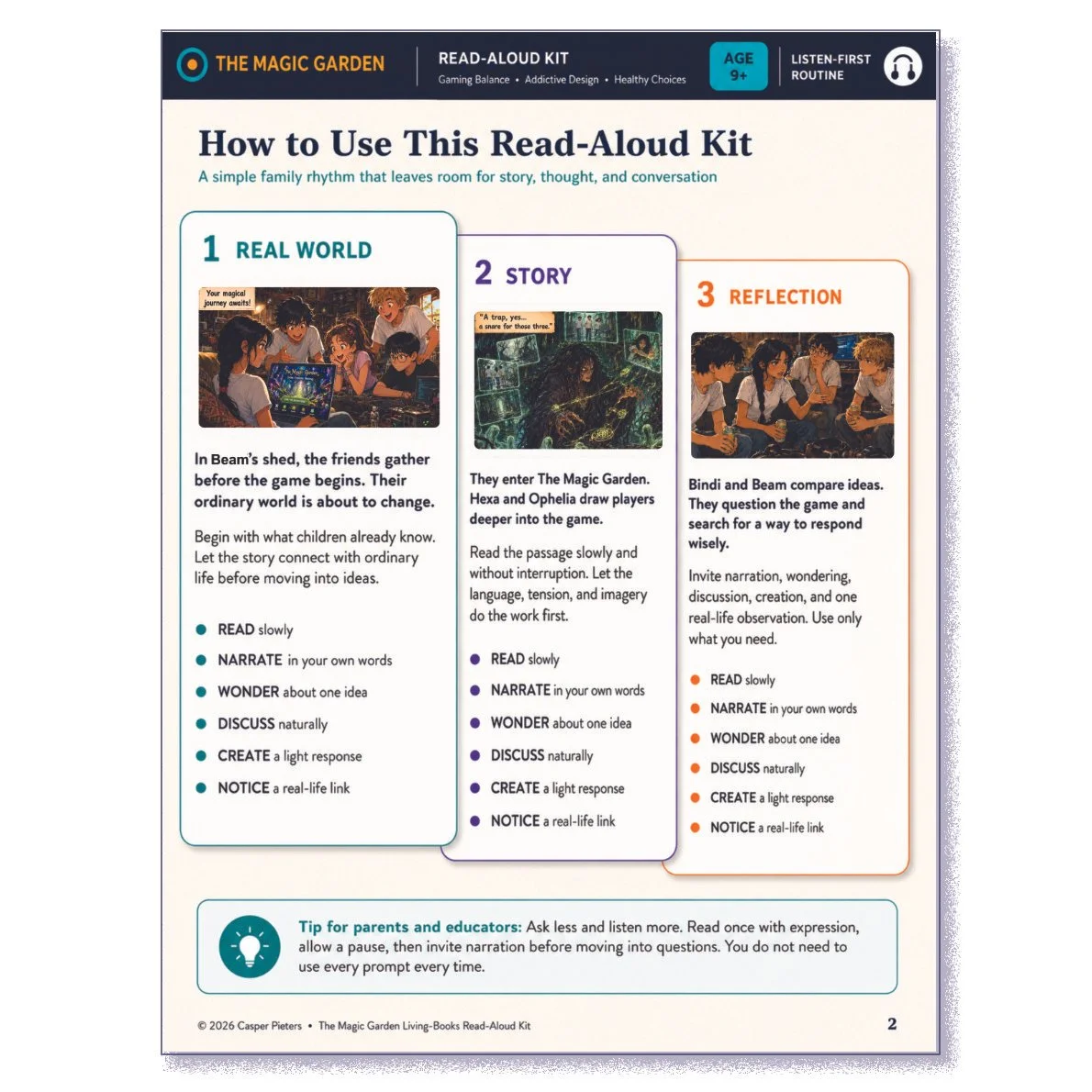 Image 5 of 8
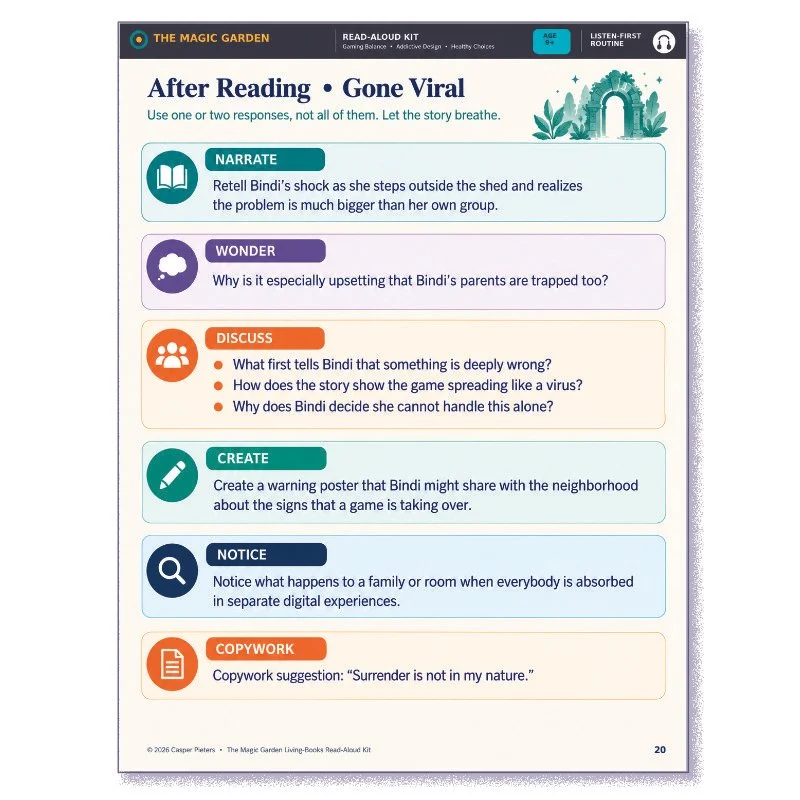 Image 6 of 8
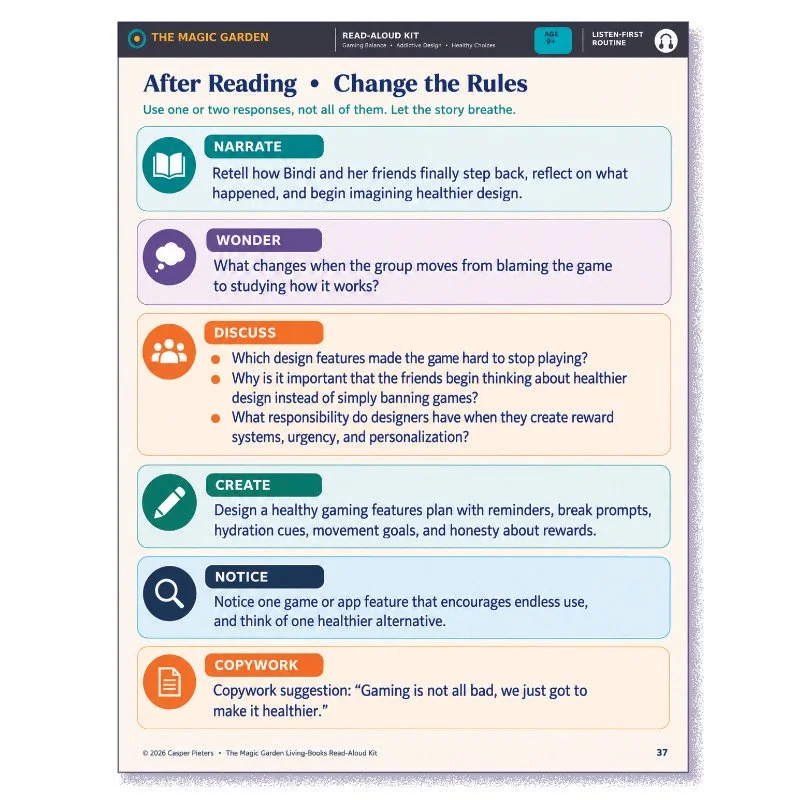 Image 7 of 8
 Image 8 of 8