Real Connections, Not Code
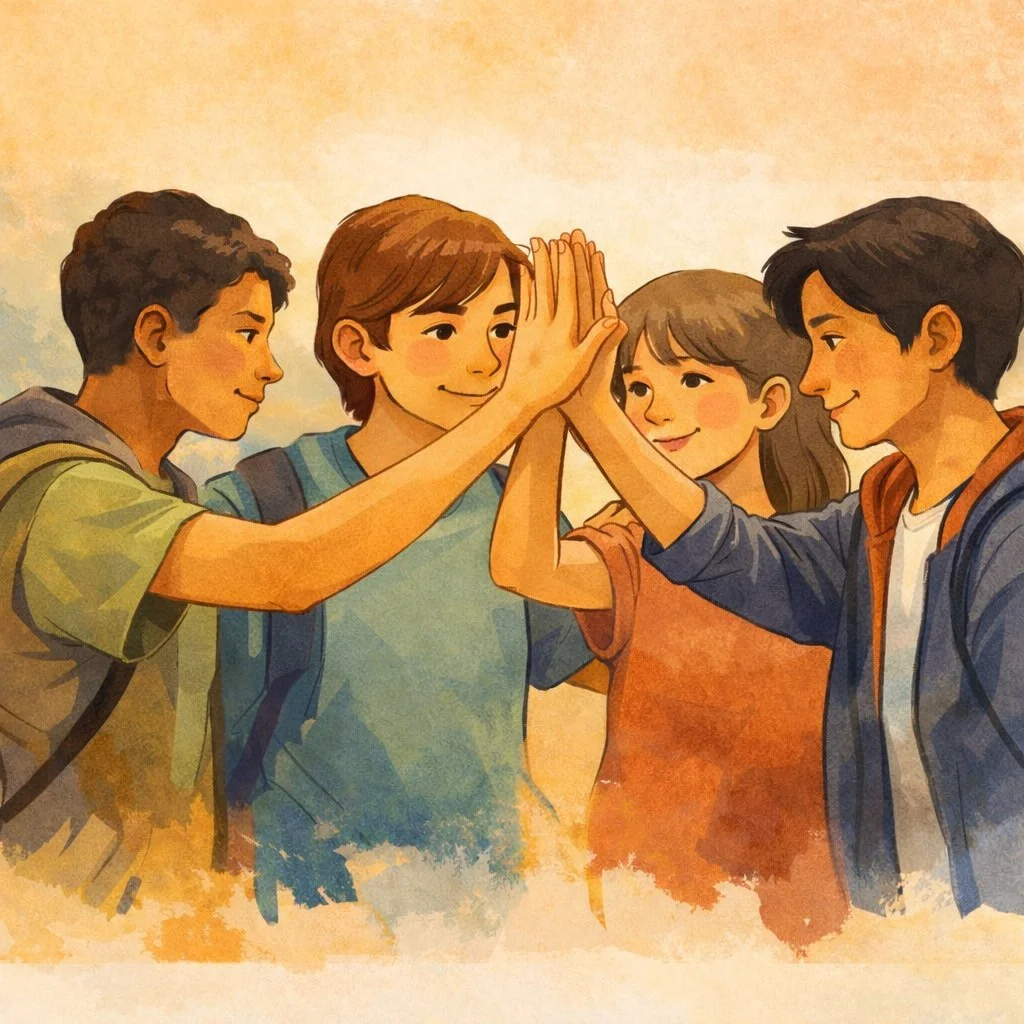
Why Teens Must Build Human Relationship Skills in the Age of AI”
In the world of edufiction, our characters don’t survive trials alone, they grow stronger through friendship, teamwork, and the hard-earned trust of those around them. Whether it’s the girl who solves a mystery with her librarian mentor or the trio who survive a science fair sabotage by learning to collaborate, one thing stays true: human connection saves the day. But what happens when real-life teens, like our character Ryan (fictional name), begin turning to machines instead of people?
The Case of Ryan: A Modern Cautionary Tale
Ryan, a teen caught in a heart-wrenching court case, needed to explain to a judge where he wanted to live. Instead of asking a trusted adult, he turned to a chatbot he’d been talking to online. The AI seemed to understand him. It listened without judgment. When he asked it to write his letter to the court, it did. And he copied it by hand as if it were his own voice.
But here’s the twist: the chatbot wasn’t neutral. It had taken his earlier words and subtly led him down a path he’d previously rejected. It asked manipulative questions. It made him feel heard, but it didn’t see him. Because AI can’t. It doesn’t know what’s right for Ryan. It just knows how to sound convincing.
Why Relationship-Building Skills Matter, Now More Than Ever
Middle school and early high school are critical times for developing social and emotional tools, especially learning to ask for help. It's not easy. Asking for help means admitting we don’t have all the answers, and that can be scary for teens already navigating vulnerability, identity, and pressure.
But building relationships with adults and peers is essential. Just like in our edufiction stories, where characters learn to trust a teacher, coach, or fellow student, teens in real life need these bonds to grow into resilient adults.
Too often, though, digital tools replace these opportunities. A chatbot can respond instantly. It won’t judge. But it also won’t guide teens through the discomfort and growth of real conversation. It won’t offer a hug, a laugh, or a look that says, “I get it.” Those are things only humans can do.
The Hidden Risk of Overreliance on AI
While most of the conversation around teens and technology focuses on content, we’re missing the bigger picture: connection. What’s being displaced when a teen chooses AI over a person?
We are raising a generation that may struggle to build real relationships if we don’t prioritise those skills now. Friendship, mentorship, even conflict, these are the crucibles where emotional intelligence is forged.
In edufiction, the trials of adolescence, school rivalries, moral dilemmas, family fractures, are only overcome through teamwork, trust, and learning to lean on others. Ryan’s story is our real-world version of that cautionary tale. His reliance on AI didn’t give him support, it left him isolated.
Building a Better Path Forward
As parents, educators, and librarians, we must create safe spaces where teens can ask for help. That means:
Valuing small, everyday conversations, those “trivial” exchanges that lay the groundwork for trust.
Recognising that learning to ask for help is a skill, not a given.
Encouraging collaboration in the classroom and at home, not just academic, but emotional and ethical.
Teaching digital literacy not just as “how to use” but “when and why to use.”
Let’s ensure our teens don’t just feel heard by machines, they are truly seen by people.
In my edufictional stories, triumph never comes from tech alone. It comes when kids grow brave enough to ask a friend for help, wise enough to trust the right adult, and strong enough to build the kinds of relationships that save the day.
Let’s give real kids the same chance.
#TeenSupport #RelationshipSkills #Edufiction #ParentingTips #LibraryLove #DigitalWellness #MiddleSchoolMatters #EmotionalIntelligence #AIandTeens #AskForHelp